
How Much Water Should a Cat Drink Daily?
Wondering how much water your cat should drink each day? This complete guide explains daily water requirements, dehydration signs, wet food vs dry food differences, and simple ways to help your cat stay properly hydrated and healthy.
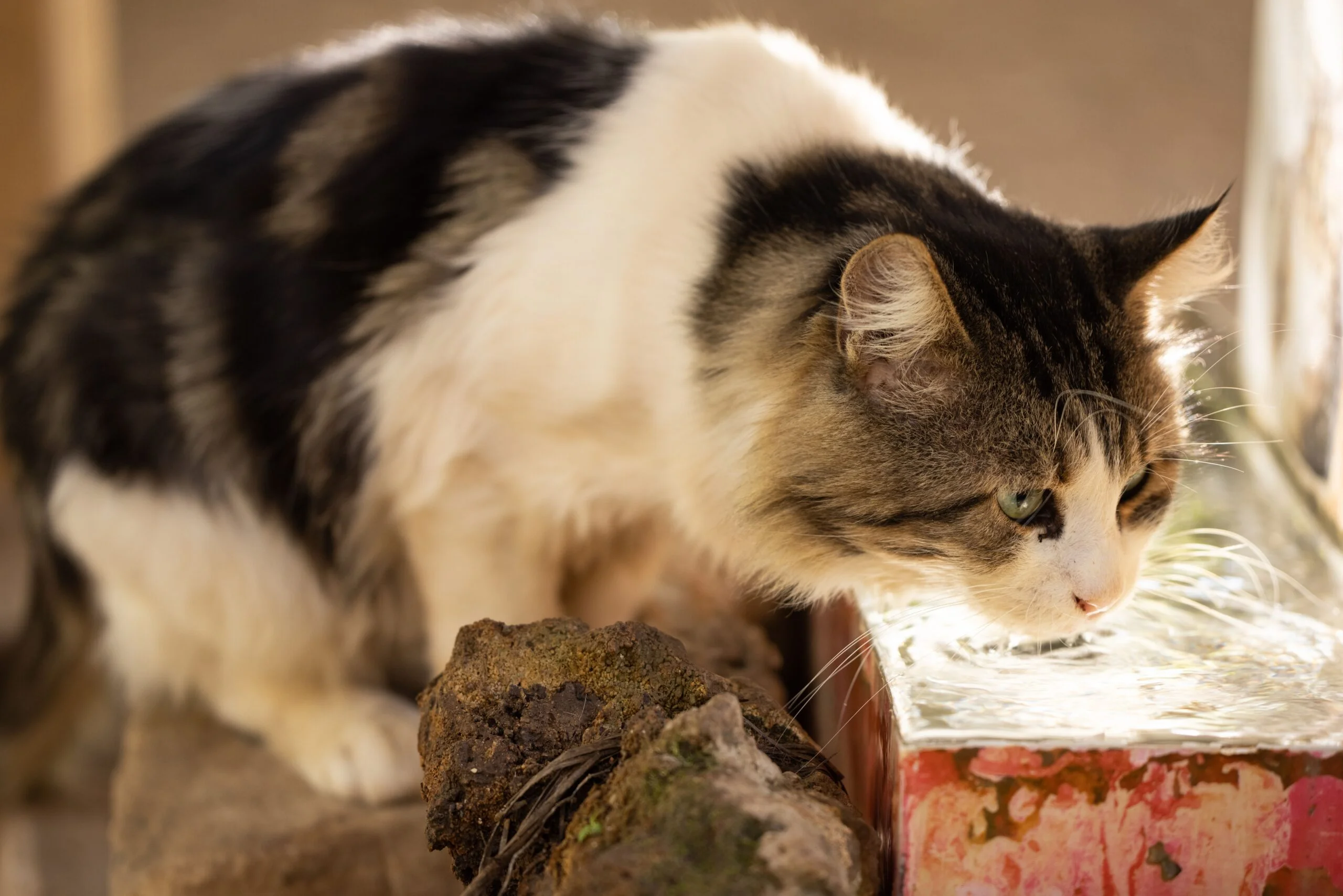
Introduction.
A few years ago, I noticed something strange about one of my cats. She was eating normally, sleeping in her favorite spot, and acting like herself. But her water bowl barely seemed to empty. At first, I assumed she was drinking when I wasn’t looking. Then I started paying closer attention and realized she really wasn’t drinking much at all.
That experience taught me something important: many cat owners focus on food, toys, and grooming, but water often gets overlooked. Yet proper hydration plays a huge role in a cat’s health and happiness.
So how much water should a cat drink daily? The answer depends on several factors, but understanding the basics can help you keep your cat healthy for years to come.
Why Water Matters More Than Most Cat Owners Realize.
Water supports almost every function inside a cat’s body. Even mild dehydration can affect how a cat feels and behaves.
A cat’s body uses water to:
- Support healthy kidney function
- Help digest food properly
- Regulate body temperature
- Carry nutrients throughout the body
- Remove waste products
- Keep joints and tissues healthy
Cats naturally evolved from desert-dwelling ancestors. Because of this, they often do not show strong thirst signals compared to some other animals. Many cats simply do not drink as much as their owners expect.
This is one reason why monitoring water intake is so important.
Healthy hydration can help reduce the risk of urinary problems and support long-term kidney health, especially as cats get older.
The Simple Daily Water Rule.
A general guideline is that most healthy cats need about 50–60 milliliters of water per kilogram of body weight each day.
This includes water from both drinking and food.
Here is a simple reference table.
Cat Weight. Water Requirement. Notes.
2 kg (4.4 lb). 100–120 ml. Small adult cat.
3 kg (6.6 lb). 150–180 ml. Average small cat.
4 kg (8.8 lb). 200–240 ml. Typical adult cat.
5 kg (11 lb). 250–300 ml. Medium-sized cat.
6 kg (13.2 lb). 300–360 ml. Larger adult cat.
7 kg (15.4 lb). 350–420 ml. Large breed cat.
Remember that this amount includes moisture from food.
For example, a cat eating mostly wet food may drink very little from a bowl because much of its water requirement already comes from meals.
Wet Food vs Dry Food: The Hidden Difference.
One of the biggest factors affecting water intake is diet.Many cat owners are surprised by how much water cats get from wet food.
Cats Eating Wet Food.
Wet food often contains around 70–80% moisture.
A cat eating canned food receives a large amount of water during meals. As a result, these cats may only take a few sips from their water bowl throughout the day.
This is completely normal.
Cats Eating Dry Food.
Dry kibble usually contains around 8–10% moisture.
Because the food itself contains very little water, cats must drink more to stay hydrated.
Some cats do this naturally. Others do not.
That is why cats eating mostly dry food often benefit from extra encouragement to drink.
Which Is Better?
Both feeding styles can work, but hydration is generally easier to maintain when at least some wet food is included in the diet.
Many owners find that mixing wet and dry food provides a good balance.
Signs Your Cat May Not Be Drinking Enough.
Cats rarely walk over and announce that they are thirsty.Instead, owners usually notice small changes.
Dry or Sticky Gums.
Healthy gums should feel moist. Dry gums can sometimes indicate dehydration.
Less Energy.
A dehydrated cat may seem tired or less interested in play.
Reduced Appetite
Some cats eat less when they are not feeling well hydrated.
Sunken Eyes
This is often a more serious sign and should not be ignored.
Constipation
Water helps keep the digestive system moving properly. Too little water can lead to harder stools.
Dark or Concentrated Urine
Urine may appear darker and have a stronger smell.
Skin Elasticity Changes
Gently lifting the skin between the shoulders can sometimes provide clues. If the skin returns slowly instead of quickly, dehydration may be present.
If you notice several of these signs together, it is worth contacting your veterinarian.
What I Noticed With My Own Cats.
Over the years, I have cared for several cats with very different drinking habits.One cat preferred wide ceramic bowls and refused to drink from metal ones.
Another barely touched standing water but started drinking much more after I introduced a fountain.I also noticed seasonal changes.
During hot summer months, water bowls emptied much faster. In cooler weather, consumption dropped slightly.Food made a noticeable difference too.
When I added wet food to daily meals, one of my cats almost stopped visiting the water bowl. At first, I worried something was wrong.
Then I realized she was getting much of her hydration from her food.
These small observations taught me that every cat is different. Paying attention to daily habits often reveals more than any chart or guideline.
Factors That Change Daily Water Needs.
There is no single number that works for every cat.Several factors can increase or decrease water requirements.
Hot Weather.
Cats lose more water during warm temperatures and may need extra hydration.Always provide fresh water during hot days.
Activity Level
Active cats generally require more water than cats that spend most of the day sleeping.
Age
Kittens, adults, and senior cats can have different hydration needs.
Health Conditions
Certain medical conditions may affect thirst and hydration.
Examples include:
- Kidney disease
- Diabetes
- Urinary tract problems
- Digestive illnesses
Any major change in drinking behavior should be discussed with a veterinarian.
Pregnancy and Nursing.
Pregnant and nursing cats need significantly more water to support themselves and their kittens.
Extra water sources should always be available.
Easy Ways to Help a Cat Drink More Water.
Some cats need encouragement to stay hydrated.
Fortunately, there are several simple methods that work well.
Place Multiple Water Bowls Around the House.
Cats often drink more when water is easy to access.Try placing bowls in several quiet locations.
Use a Cat Fountain.
Many cats prefer moving water.The sound and motion can encourage more frequent drinking.
Refresh Water Daily.
Fresh water is more appealing than water that has been sitting for a long time.Some cats are surprisingly picky about this.
Add Wet Food.
Increasing dietary moisture is one of the easiest ways to improve hydration.
Choose Better Bowl Locations.
Avoid placing water bowls directly beside litter boxes.Some cats also dislike having food and water too close together.
Try Safe Flavoring.
A small amount of unsalted tuna water or low-sodium chicken broth can sometimes encourage drinking.
Keep Bowls Clean.
Cats have sensitive noses.A bowl that looks clean to us may still smell unpleasant to them.
Regular washing can make a difference.
When Low Water Intake Becomes a Health Concern.
Not every cat that drinks little is unhealthy.
However, certain situations deserve attention.
Contact a veterinarian if your cat:
- Stops drinking completely
- Shows signs of dehydration
- Has vomiting or diarrhea
- Appears unusually tired
- Experiences sudden weight loss
- Has difficulty urinating
- Shows major changes in thirst habits
Prompt treatment can prevent more serious problems.When in doubt, it is always safer to seek professional advice.
Quick Daily Water Checklist.
Use this simple checklist to monitor hydration
- Water bowls are clean
- Fresh water is available
- Water level decreases during the day
- Cat appears active and alert
- Gums look moist
- Litter box habits are normal
- Food intake is normal
- No signs of constipation
- No sudden changes in thirst
- Multiple water sources are available
Checking these points takes only a few minutes and can help you spot problems early.
FAQs.
How much water should an indoor cat drink daily?
Most indoor cats need approximately 50–60 ml of water per kilogram of body weight each day, including water obtained from food.
Is it normal for a cat on wet food to drink very little?
Yes. Wet food contains a large amount of moisture, so cats often drink less from a bowl.
How can I tell if my cat is dehydrated?
Common signs include dry gums, low energy, sunken eyes, constipation, and reduced skin elasticity.
Should I measure exactly how much water my cat drinks?
You do not need to measure every day, but occasionally monitoring intake can help identify unusual changes.
Do cat fountains really work?
For many cats, yes. Moving water often encourages more frequent drinking.
Why does my cat drink more during summer?
Hot weather increases water loss, so cats naturally need more hydration.
Can cats drink flavored water?
Some cats enjoy water flavored with a small amount of unsalted tuna water or low-sodium broth. Always ensure ingredients are safe.
Is drinking too much water a problem?
Excessive thirst can sometimes signal medical conditions such as kidney disease or diabetes and should be checked by a veterinarian.
Do kittens need more water than adult cats?
Kittens require proper hydration for growth, but exact needs vary depending on diet, size, and activity level.
Can dehydration become an emergency?
Yes. Severe dehydration can become serious quickly and requires veterinary attention.
Natural Resources for new Cat owners.
1. https://www.vet.cornell.edu/departments-centers-and-institutes/cornell-feline-health-center
3.https://vcahospitals.com/know-your-pet
5.https://www.aspca.org/pet-care/cat-care
7.https://www.bluecross.org.uk/advice/cat
Conclusion.
Water may seem like a simple part of cat care, but it has a huge impact on overall health. Healthy hydration supports the kidneys, digestion, body temperature, and daily comfort.
Most cats need around 50–60 ml of water per kilogram of body weight each day, although diet, weather, age, and activity level can change that number.
The best approach is to pay attention to your cat’s normal habits. Notice how often they drink, keep fresh water available, and watch for changes in behavior. Small observations made at home often help owners catch problems early.
A clean water bowl, a little daily attention, and a good understanding of your cat’s needs can go a long way toward keeping your feline friend healthy and happy.


3 Comments