
Why Does My Cat Meow at Night? Causes and Solutions for Cat Owners.
Cats often meow at night due to hunger, boredom, attention-seeking, stress, aging, or medical conditions. This guide explains the most common causes and provides practical solutions to help your cat stay calm and quiet during the night.
Introduction.
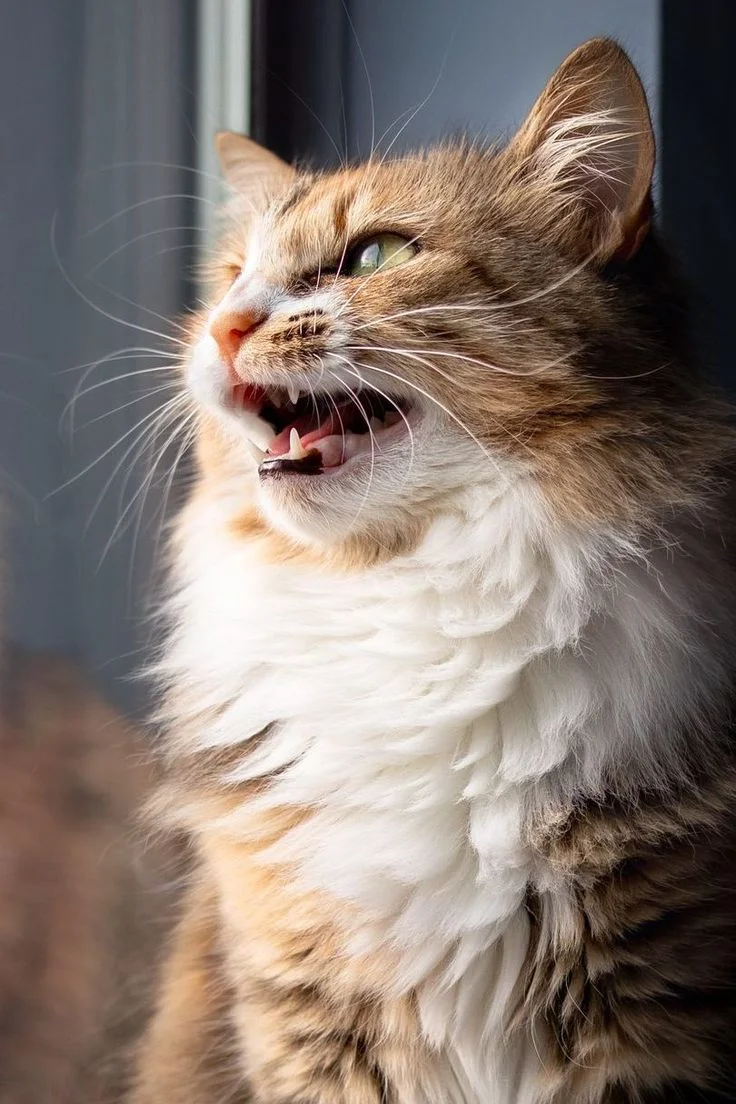
If you have ever been woken up by your cat’s loud meows in the middle of the night, you are not alone. Many pet owners ask, “Why does my cat meow at night?”
The answer is not always simple. Cats may meow because they are hungry, bored, lonely, stressed, or simply full of energy when everyone else is asleep.
In some cases, nighttime meowing can even be linked to aging or health problems. The good news is that understanding the cause can help you find the right solution.
In this guide, you’ll learn why cats meow at night and how to help your furry friend sleep more peacefully.
Why Cats Meow at Night.
Cats meow at night for many different reasons. Some cats feel hungry, while others want attention or playtime.
Since cats are naturally more active during the evening and early morning hours, they may become restless when the house is quiet.
A cat may also meow because it feels lonely, stressed, or uncomfortable. In some cases, older cats meow more at night due to age-related changes.
Understanding the reason behind your cat’s behavior is important because the solution depends on the cause.
Once you know why your cat is meowing, it becomes much easier to help them sleep peacefully.
Hunger and Food-Related Meowing.
One of the most common reasons cats meow at night is hunger. If your cat is used to eating late in the evening or early in the morning, it may wake you up asking for food.
Some cats quickly learn that meowing gets attention and a meal. Growing kittens and highly active cats may also feel hungry more often than adult indoor cats.
To reduce nighttime meowing, try feeding your cat a small meal before bedtime.You can also use a timed feeder that releases food during the night.
A full and satisfied cat is usually more likely to sleep quietly.
Boredom and Lack of Stimulation.
Cats that do not get enough exercise or mental stimulation during the day may become bored at night.
When the house becomes quiet, they often look for something to do and may start meowing for attention.
Indoor cats are especially likely to experience boredom if they spend most of the day sleeping.
Interactive toys, climbing trees, scratching posts, and play sessions can help keep your cat entertained.
Try spending 15 to 20 minutes playing with your cat before bedtime.
A tired cat is more likely to relax and sleep through the night instead of waking everyone up with loud meows.
Seeking Attention from Owners.
Many cats meow at night simply because they want attention from their owners.
If your cat has learned that meowing makes you get out of bed, talk to them, or pet them, the behavior may continue. Cats enjoy companionship and may feel lonely when everyone is asleep.
While it can be hard to ignore nighttime meowing, giving attention every time can reinforce the habit. Instead, spend quality time with your cat during the day and before bedtime.
Extra play, cuddles, and interaction can help your cat feel more satisfied and less likely to seek attention during the night.
Natural Nocturnal Instincts.
Cats have natural hunting instincts that make them more active during the evening and early morning hours.
Even though domestic cats live indoors, they still follow many behaviors inherited from their wild ancestors.
When people are sleeping, a cat may feel ready to explore, play, or search for food.
This extra energy can lead to nighttime meowing. While you cannot completely change your cat’s natural instincts, you can help manage them.
Regular play sessions, puzzle toys, and a bedtime routine can burn off energy and encourage your cat to rest quietly during the night.
Stress, Anxiety, and Environmental Changes.
Cats are sensitive animals, and even small changes can cause stress or anxiety.
A new pet, a new baby, moving to a different home, loud noises, or changes in daily routines may make your cat feel uneasy.
When cats are stressed, they often express their feelings through increased meowing, especially at night when everything is quiet.
Some cats may also feel anxious when left alone for long periods. Providing a safe, comfortable space and keeping a consistent routine can help your cat feel secure.
The more relaxed your cat feels, the less likely it is to meow during the night.
Aging and Cognitive Dysfunction in Senior Cats.
As cats grow older, they may begin to meow more often at night. Senior cats can experience age-related changes that affect their memory, awareness, and sleeping patterns.
Some older cats become confused in the dark and may meow because they feel lost or unsure of their surroundings.
This condition is often called cognitive dysfunction, which is similar to memory problems seen in aging humans.
Keeping a regular routine, using night lights, and providing a comfortable sleeping area can help reduce confusion.
If nighttime meowing suddenly increases in an older cat, a veterinary checkup is a good idea.
Medical Conditions That Cause Nighttime Meowing.
Sometimes, nighttime meowing can be a sign of an underlying health problem.
Cats may vocalize more when they are in pain, uncomfortable, or not feeling well.
Conditions such as arthritis, high blood pressure, thyroid issues, hearing loss, or other illnesses can cause a cat to meow more than usual, especially at night.
If your cat suddenly starts meowing excessively or shows other changes in behavior, it is important to pay attention.
A visit to the veterinarian can help identify any medical concerns. Treating the health issue often reduces the nighttime meowing and improves your cat’s overall well-being.
How to Stop Your Cat from Meowing at Night.
Reducing nighttime meowing starts with understanding the cause.
Make sure your cat has enough food, water, exercise, and attention during the day. Play with your cat before bedtime to help burn off extra energy.
Feeding a small meal in the evening can also help keep your cat satisfied through the night.
Try to keep a consistent daily routine, as cats feel more secure when they know what to expect.
Avoid rewarding nighttime meowing with attention, as this can encourage the behavior.
With patience and consistency, many cats learn to stay calm and sleep more peacefully at night.
When to Visit a Veterinarian.
While some nighttime meowing is normal, there are times when a veterinary visit is important.
If your cat suddenly starts meowing more than usual, seems uncomfortable, loses weight, eats differently, or shows other unusual behaviors, a health problem could be the cause.
Older cats that become confused or restless at night should also be checked by a veterinarian.
Early diagnosis can help prevent small issues from becoming serious problems.
A veterinarian can examine your cat, identify any medical concerns, and recommend the best treatment.
Getting professional advice can help keep your cat healthy, comfortable, and happy.
Real-Life Example.
Sarah, a cat owner from Texas, noticed that her 5-year-old cat, Milo, started meowing loudly every night around 3 a.m.
At first, she thought something was wrong.
After paying close attention, she realized Milo was sleeping most of the day and had too much energy at night.
Sarah began playing with him for 20 minutes before bedtime and gave him a small evening meal.
Within a few weeks, the nighttime meowing became much less frequent.
Milo started sleeping longer through the night, and Sarah finally got better sleep too.
This simple change made a big difference for both of them.
References & Resources.
The information in this article is based on guidance and educational resources from trusted veterinary and animal welfare organizations:
1.American Society for the Prevention of Cruelty to Animals (ASPCA).
2.Cornell Feline Health Center.
https://www.vet.cornell.edu/departments-centers-and-institutes/cornell-feline-health-center
3.American Veterinary Medical Association (AVMA).
4.VCA Animal Hospitals.
5.International Cat Care.
Frequently Asked Questions (FAQs).
1.Is it normal for cats to meow at night?
Yes, occasional nighttime meowing is normal. Cats are naturally more active during the evening and early morning hours. However, excessive meowing may indicate hunger, boredom, stress, or a health issue.
2.Should I ignore my cat when it meows at night?
If your cat is healthy and simply seeking attention, ignoring the behavior can help prevent it from becoming a habit. Make sure your cat’s basic needs are met first.
3.Can a medical problem cause nighttime meowing?
Yes. Pain, thyroid problems, hearing loss, high blood pressure, and other health conditions can cause increased nighttime vocalization.
Final thoughts.
Nighttime meowing can be frustrating, but in most cases, there is a reason behind the behavior.
Your cat may be hungry, bored, seeking attention, dealing with stress, or experiencing an age-related or medical issue.
The key is to observe your cat carefully and identify what might be causing the meowing.
Simple changes, such as more playtime, a consistent routine, and proper feeding, can often make a big difference.
If the behavior continues or suddenly becomes worse, a visit to the veterinarian is the best next step.
With patience and care, you can help your cat enjoy quieter and more restful nights.


