
Common Indoor Cat Problems and How to Solve Them.
Indoor cats can develop behavior problems like scratching furniture, litter box accidents, excessive meowing, aggression, boredom, and nighttime zoomies. In this complete guide, learn the most common indoor cat problems and how to solve them using simple, beginner-friendly tips that actually work.
Introduction.
Understanding common indoor cat problems and how to solve them is important for every cat owner who wants a happy and stress-free home.
Indoor cats often struggle with scratching furniture, litter box accidents, excessive meowing, boredom, aggression, hairballs, and nighttime zoomies.
While these behaviors may seem frustrating, most of them happen because cats are bored, stressed, understimulated, or uncomfortable in their environment.
The good news is that these issues can usually be solved with simple daily changes, proper care, and better understanding of your cat’s needs.
In this guide, you will learn the most common indoor cat problems and how to solve them using easy, practical, and beginner-friendly tips that actually work for real cat owners.
Table of Contents.
1.Why Indoor Cats Develop Behavior Problems.
2.Scratching Furniture and Carpets.
3.Litter Box Problems.
4.Excessive Meowing.
5.Aggressive or Biting Behavior.
6.Indoor Cat Boredom and Depression.
7.Hairballs and Excessive Shedding.
8.Weight Gain in Indoor Cats.
9.Night Zoomies and Sleep Problems.
10.Stress and Anxiety in Indoor Cats.
11.Bad Smells Around the House.
12.Keeping Indoor Cats Happy Long-Term.
13.Highly Recommended Products.
14.My Personal Experience.
15.Frequently Asked Questions.
16. Helpful Resources for indoor Cat owners.
17. Conclusion .
Why Indoor Cats Develop Behavior Problems.
Before solving any issue, it is important to understand why indoor cats behave this way. Most indoor cat problems happen because cats live in limited spaces compared to outdoor cats.
In nature, cats spend their time climbing, hunting, exploring, and staying mentally active. Inside the home, life can sometimes become repetitive and boring for them.
When cats do not get enough stimulation, exercise, or attention, they often develop unwanted habits. Some cats scratch furniture because they need to release energy.
Others meow constantly because they feel lonely or bored. Even litter box problems can happen when a cat feels stressed or uncomfortable.
Learning about common indoor cat problems and how to solve them helps owners create a healthier environment where cats feel safe, active, and relaxed.
Scratching Furniture and Carpets.

One of the most common indoor cat problems is destructive scratching. Many cat owners become frustrated when couches, carpets, or curtains get damaged.
However, scratching is completely natural for cats. They scratch to stretch their muscles, sharpen their claws, and mark territory.
The best way to stop furniture scratching is to give your cat better alternatives.
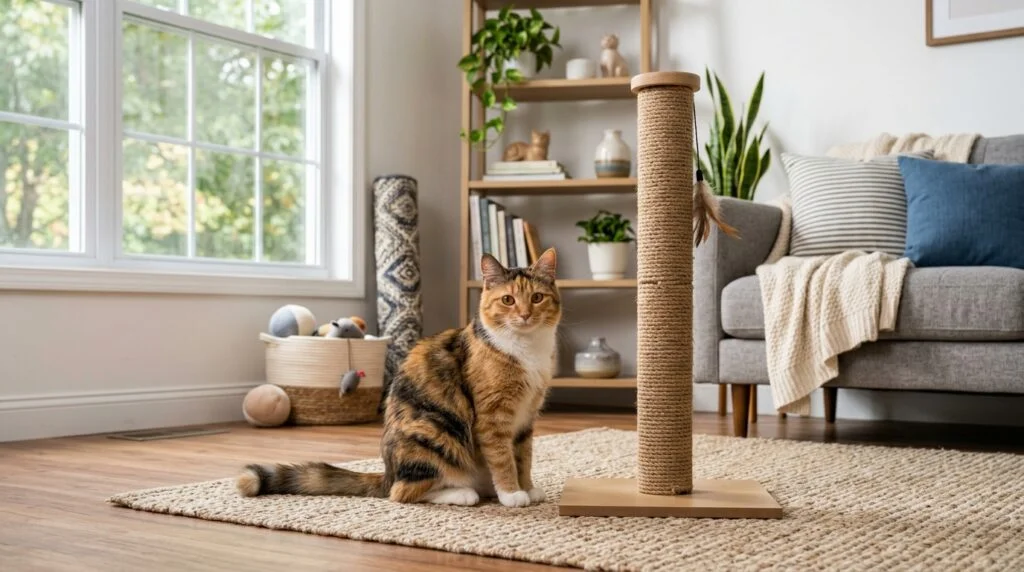
A tall scratching post placed near the sofa often works much better than moving the cat away every time it scratches. Cats usually scratch after waking up, so placing scratching posts near sleeping areas can also help.
Different cats prefer different textures. Some love cardboard scratchers, while others enjoy rope or wood surfaces. Testing a few styles can make a huge difference.
Positive reinforcement also works very well. When your cat uses the scratching post, reward them with treats, praise, or playtime. Over time, the cat starts connecting the scratching post with positive experiences.
Many owners make the mistake of yelling at cats for scratching furniture. This usually increases stress and makes the behavior worse. Calm training and proper scratching areas work much better in the long run.
Litter Box Problems.
Litter box issues are another major topic when discussing common indoor cat problems and how to solve them. Cats naturally prefer clean spaces, so even small problems with the litter box can cause accidents around the house.
A dirty litter box is one of the biggest reasons cats stop using it. Scooping waste daily keeps the area fresh and comfortable for your cat. Many cats also dislike strong-smelling litter, so unscented litter is usually the safest option.
Location matters too. Cats want privacy while using the litter box. A noisy laundry room or crowded hallway may make some cats nervous. Quiet and easy-to-reach locations are always better.
Sometimes stress can also trigger litter box problems. Changes such as moving homes, adding new pets, or loud visitors may make cats anxious.
In some cases, medical issues like urinary infections can cause sudden litter box accidents. If the behavior appears suddenly, a vet visit is always a smart idea.
Excessive Meowing.
Many owners search online for common indoor cat problems and how to solve them because their cats meow nonstop. Some cats naturally vocalize more than others, but constant meowing often happens for a reason.
Cats may meow because they feel hungry, lonely, bored, or stressed. Some cats also learn that loud meowing gets attention quickly. If owners immediately respond every single time, the cat may continue the habit daily.
Creating a regular schedule can help reduce excessive meowing. Feeding and playtime at the same hours every day gives cats a sense of stability. Interactive play is especially important because tired cats are usually quieter and calmer.
Instead of rewarding loud behavior, reward calm behavior. Giving attention only when the cat is relaxed teaches better habits over time.
Aggressive or Biting Behavior.
Aggressive behavior can make owners feel nervous, especially when cats suddenly bite during play. In reality, most cats are not truly aggressive. They are often overstimulated, fearful, or full of energy.
One common mistake is teaching kittens to play with human hands. While it may seem cute at first, kittens often grow into adults that bite during playtime. Using wand toys and interactive toys creates healthier play habits.
Body language is extremely important when understanding common indoor cat problems and how to solve them. A twitching tail, flattened ears, or wide eyes often mean the cat wants space. Respecting those signals prevents many bites and scratches.
Daily play sessions are one of the best ways to reduce aggressive behavior. Cats that burn energy regularly tend to behave more calmly inside the home.
Indoor Cat Boredom and Depression.

Indoor cats may appear lazy, but many are actually bored. A bored cat may sleep too much, overeat, stop playing, or become destructive around the house. Mental stimulation is just as important as food and water.
Creating vertical space changes everything for indoor cats. Cat trees, shelves, and window perches allow cats to climb and observe their surroundings safely. Watching birds outside the window can entertain some cats for hours.
Toy rotation is another simple trick that works well. Instead of leaving every toy on the floor all the time, rotating toys weekly keeps them exciting and fresh.
Puzzle feeders are also excellent for mental stimulation because they make cats “work” for food. This activates natural hunting instincts and reduces boredom significantly.
The https://www.aspca.org/pet-care/cat-care shares useful advice about keeping indoor cats mentally and physically healthy.
Hairballs and Excessive Shedding.
Hairballs are unpleasant, but they are very common in indoor cats, especially long-haired breeds. Cats spend a large part of the day grooming themselves, which means they swallow loose fur regularly.
Regular brushing is one of the easiest ways to reduce hairballs. Brushing removes loose hair before the cat swallows it. Many cats also enjoy brushing because it feels relaxing and comforting.
Hydration also plays a role in digestive health. Cats that drink more water often experience fewer hairball problems. Water fountains encourage many cats to drink more because cats naturally prefer moving water.
If hairballs become frequent or severe, special hairball-control treats or diets may help improve digestion.
Weight Gain in Indoor Cats.
Weight gain is one of the fastest-growing indoor cat health problems today. Indoor cats move less than outdoor cats, which means they burn fewer calories. Without enough activity, cats can become overweight very quickly.
Obesity affects a cat’s overall quality of life. Overweight cats often become less playful, less active, and more likely to develop health conditions later.
Scheduled feeding works better than leaving food out all day. Measuring food portions also prevents accidental overfeeding. Many owners do not realize how quickly extra calories add up for small animals.
Exercise is extremely important when discussing common indoor cat problems and how to solve them. Interactive toys, climbing areas, and daily play sessions help indoor cats stay healthy and active.
The https://catvets.com/ recommends environmental enrichment and healthy activity for indoor cats.
Night Zoomies and Sleep Problems.
Many cat owners lose sleep because their cats suddenly become active at night. Running through the hallway at 3 AM may seem strange, but cats are naturally more active during evening and early morning hours.
One of the best solutions is increasing evening playtime. A long interactive play session before bedtime helps cats release built-up energy. Feeding dinner after playtime also encourages relaxation because cats naturally follow a hunt-eat-sleep cycle.
Ignoring nighttime attention-seeking behavior is also important. If owners reward midnight meowing with treats or playtime, cats may continue waking them up every night.
Stress and Anxiety in Indoor Cats.
Stress plays a huge role in common indoor cat problems and how to solve them. Cats are sensitive animals that dislike sudden changes. Moving homes, loud noises, visitors, or new pets can easily create anxiety.
A stressed cat may hide more, stop eating, over groom, or avoid the litter box. Creating a calm and predictable environment helps cats feel secure again.
Cats also need safe spaces where they can relax without being disturbed. Covered beds, quiet corners, or elevated shelves help nervous cats feel protected.
Some owners also use calming pheromone diffusers, which may help reduce stress-related behaviors naturally.
Helpful stress-management advice for cat owners is also available through https://icatcare.org/.
Bad Smells Around the House.
A healthy indoor cat should not make the entire house smell unpleasant. Usually, strong odors come from dirty litter boxes, poor cleaning habits, or hidden accidents around the home.
Cleaning the litter box daily makes a huge difference. Washing cat bedding regularly also helps remove trapped fur and odors. Air purifiers can improve indoor air quality by reducing dander, dust, and pet smells, especially in smaller apartments.
Sometimes strong smells may point to health problems. Bad breath, unusual urine odor, or excessive gas can signal that something is wrong medically. In these cases, professional veterinary care is important.
Keeping Indoor Cats Happy Long-Term.

Keeping cats happy indoors is not difficult when their physical and emotional needs are met consistently. Cats need exercise, mental stimulation, clean spaces, healthy food, and loving interaction every day.
Even short play sessions can improve a cat’s behavior dramatically. Many indoor cat problems disappear once cats feel mentally satisfied and physically active.
Understanding common indoor cat problems and how to solve them allows owners to build stronger relationships with their pets while creating a calmer home environment for everyone.
Highly Recommended Products.
Best Products for Indoor Cats.
•Interactive feather wand toys.
•Tall cat trees with scratching posts.
•Puzzle feeders for mental stimulation.
•Water fountains for hydration.
•Deshedding grooming brushes.
•Unscented clumping cat litter.
•Cat window perches.
•Hairball-control treats.
Guys Here are the product links if you want something.
https://www.amazon.com/s?k=best+cat+tree+for+indoor+cats
https://www.amazon.com/s?k=interactive+cat+toys
https://www.amazon.com/s?k=best+cat+water+fountain
https://www.amazon.com/s?k=cat+scratching+post.
My Personal Experience.
When I first adopted an indoor cat, I thought food, water, and a litter box were enough. But after a few months, my cat started scratching furniture, meowing constantly, and running around the house at night.
At first, I believed the behavior was simply “bad habits,” but later I realized my cat was actually bored and under stimulated.
I added a cat tree near the window, started daily evening play sessions, and introduced puzzle feeders during mealtime. The change was honestly surprising. My cat became calmer, happier, and much more relaxed around the house.
That experience taught me something important about common indoor cat problems and how to solve them: most behavior problems improve when cats receive proper mental stimulation, exercise, and attention.
FAQS.
Why does my indoor cat scratch furniture even with a scratching post?
Sometimes the scratching post is too small, unstable, or made from a texture your cat dislikes. Testing different scratching materials usually helps.
How can I stop my cat from meowing all night?
Evening playtime, scheduled feeding, and ignoring attention-seeking behavior during the night can help reduce nighttime meowing.
Are indoor cats happier with another cat?
Some cats enjoy companionship, while others prefer living alone. Personality matters more than breed.
Why is my indoor cat suddenly aggressive?
Sudden aggression may happen because of fear, stress, pain, or overstimulation. A veterinary checkup is recommended if the behavior appears unexpectedly.
How often should indoor cats play?
Most indoor cats need at least 15–30 minutes of active play daily to stay mentally and physically healthy.
Helpful Resources for Indoor Cat Owners.
If you want to learn more about indoor cat health, behavior, and daily care, these trusted resources can help you become a more confident cat owner.
1. https://www.aspca.org/pet-care/cat-care. Helpful beginner-friendly cat care advice and health tips.
2.https://catvets.com/. Professional information about indoor cat behavior, wellness, and enrichment.
3.https://icatcare.org/. Trusted educational content about cat stress, health, and behavior problems.
4.https://petmd.com. Easy-to-read articles about common cat health concerns and daily care.
5.https://www.humanesociety.org/resources/cat-care.— Practical tips for indoor cat safety, happiness, and long-term care.
Conclusion.
Indoor cats may develop behavior problems, but most issues are manageable with patience and the right environment. Understanding common indoor cat problems and how to solve them helps owners respond with care instead of frustration.
Cats thrive when they feel safe, stimulated, and loved. Clean litter boxes, daily playtime, proper scratching areas, healthy food, and mental enrichment can completely transform a cat’s behavior.
A happy indoor cat is not only healthier but also becomes a more loving and enjoyable companion for many years.
Author.
Jibran Abbas.
Disclimar.
Every cat is unique, so some tips and products may work differently depending on your cat’s age, personality, and health needs.


hello world
Hello! Thanks for visiting and leaving a comment. We hope you enjoy our content and find it useful.