
Best Plants Safe for Cats: Vet-Approved Indoor Plant Guide.
Looking for cat-safe houseplants? Discover the best plants safe for cats, including vet-approved, non-toxic indoor plants that help create a beautiful and pet-friendly home. This guide covers safe plant options, expert tips, and essential advice for cat owners.
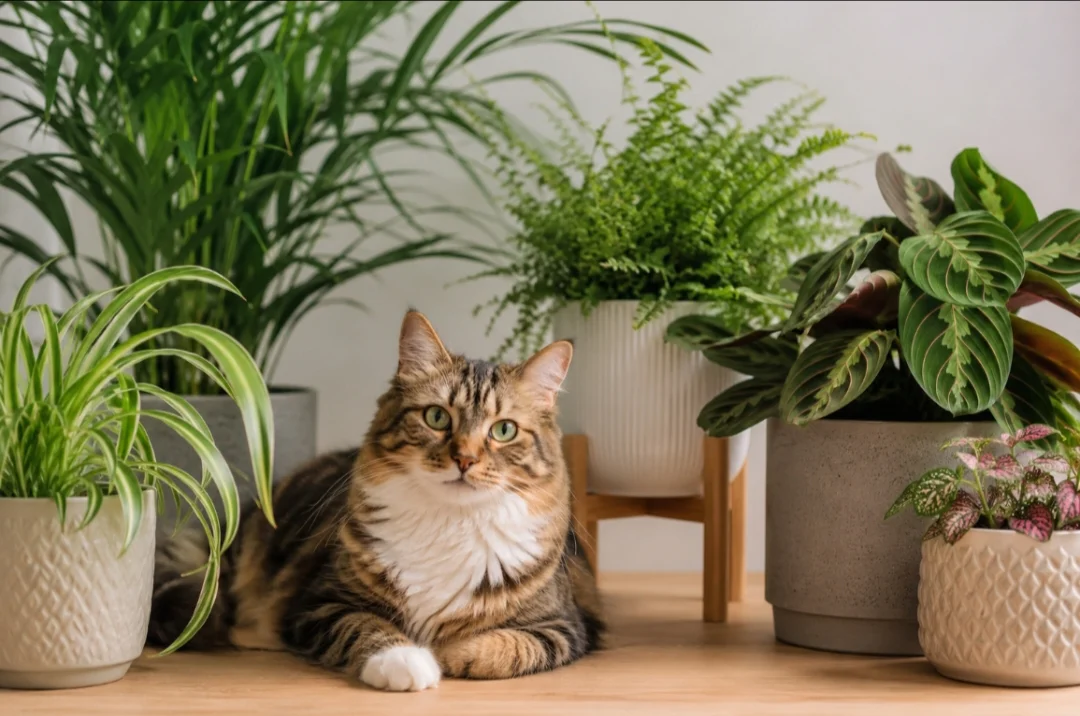
Introduction.
If you love both houseplants and cats, you may have faced a common problem. Many beautiful indoor plants can be dangerous for cats. Some can cause stomach problems, while others may lead to serious health issues if eaten.
As a cat owner, I learned this the hard way. A few years ago, I brought home a beautiful plant without checking whether it was safe for pets. Luckily, my cat only chewed a small leaf and did not become seriously ill. That experience taught me an important lesson: always check if a plant is cat-safe before bringing it home.
The good news is that many beautiful indoor plants are completely safe for cats. You can enjoy a green, fresh home without worrying about your furry friend.
In this guide, you’ll discover the best plants safe for cats, expert veterinarian tips, and practical advice for creating a pet-friendly indoor garden.
Table of contents.
- Why Cat-Safe Plants Matter
- How Cats Interact With Houseplants
- What Veterinarians Say About Indoor Plants
- Best Plants Safe for Cats
- Spider Plant
- Areca Palm
- Parlor Palm
- Boston Fern
- Prayer Plant
- Calathea
- African Violet
- Bamboo Palm
- Polka Dot Plant
- Baby Rubber Plant
- Cat Grass
- Catnip
- Benefits of Cat-Safe Indoor Plants
- Plants You Should Avoid
- Tips for Creating a Cat-Friendly Indoor Garden
- Signs Your Cat Ate a Toxic Plant
- When to Call a Veterinarian
- My personal experience
- Natural Resources and products for cat
- FAQs
- Final Thoughts
Why Cat-Safe Plants Matter.
Cats are naturally curious animals. They love exploring new things around the house. Many cats enjoy chewing leaves, playing with hanging stems, or digging in plant soil.
Unfortunately, not all houseplants are safe. Popular plants such as lilies, pothos, aloe vera, and snake plants can cause health problems in cats.
According to veterinarians, some toxic plants may cause:
- Vomiting
- Diarrhea
- Drooling
- Loss of appetite
- Difficulty breathing
- Kidney damage
- Serious poisoning
Choosing pet-safe indoor plants helps protect your cat while making your home look beautiful.
How Cats Interact With Houseplants.
Many cat owners wonder why cats eat plants.
In my experience, cats often chew plants because they are curious. Sometimes they enjoy the texture. Other times they simply want attention or entertainment.
Cats may also chew leaves when they are bored.
That is why providing safe plants can be a great solution. Safe plants allow your cat to explore naturally without putting their health at risk.
What Veterinarians Say About Indoor Plants.
Veterinarian Dr. Karen Becker often recommends that pet owners carefully check every plant before bringing it indoors.
Veterinary experts agree on three important rules:
- 1.Research every plant before buying it.
- 2.Keep toxic plants out of your home.
- 3.Offer safe alternatives such as cat grass.
These simple steps can greatly reduce the risk of plant-related accidents.
Best Plants Safe for Cats.
Let’s explore some of the safest and most attractive indoor plants for cat owners.
1. Spider Plant.
Spider plants are among the most popular cat-safe houseplants.
They have long green leaves and are very easy to grow.
Benefits:
- Beginner-friendly
- Fast-growing
- Improves indoor air quality
- Safe for curious cats
Spider plants look beautiful in hanging baskets and bright rooms.
2. Areca Palm.
The Areca Palm brings a tropical feel to any home.
Its soft leaves create a relaxing atmosphere while remaining safe for pets.
Benefits:
- Non-toxic to cats
- Attractive appearance
- Excellent indoor decoration
- Easy maintenance
This is one of my favorite choices because it adds elegance without creating safety concerns.
3. Parlor Palm.
Parlor Palm has been a popular indoor plant for generations.
Its graceful leaves make it ideal for living rooms, bedrooms, and offices.
Benefits:
- Pet-friendly
- Low maintenance
- Grows well indoors
- Suitable for beginners
4. Boston Fern.
Boston Fern adds lush greenery to indoor spaces
Many cat owners choose it because of its attractive appearance and safety
Benefits:
- Safe for cats
- Natural humidity support
- Beautiful hanging display
- Easy to maintain
5. Prayer Plant.
Prayer Plants are known for their unique patterned leaves.
Their colorful appearance makes them stand out among common houseplants
Benefits:
- Safe for pets
- Eye-catching foliage
- Ideal for indoor environments
- Easy care requirements
6. Calathea.
Calathea plants are famous for their beautiful leaf patterns.
Many indoor gardening enthusiasts love them because they look exotic while remaining pet-safe.
Benefits:
- Non-toxic to cats
- Decorative leaves
- Indoor-friendly
- Great for modern homes
7. African Violet.
If you enjoy flowering plants, African Violet is an excellent option.
It produces lovely blooms while staying safe around cats.
Benefits:
- Beautiful flowers
- Compact size
- Pet-safe
- Ideal for windowsills
8. Bamboo Palm.
Bamboo Palm offers a tropical appearance without the risks associated with many other palms.
Benefits:
- Safe for cats
- Attractive indoor plant
- Helps create a natural atmosphere
- Easy to care for.
9. Polka Dot Plant.
This colorful plant features spotted leaves that add personality to your home.
Benefits:
- Pet-friendly
- Bright appearance
- Compact growth
- Beginner-friendly
10. Baby Rubber Plant.
Baby Rubber Plant is often confused with the toxic rubber tree.
However, this specific variety is considered safe for cats.
Benefits:
- Thick glossy leaves
- Easy maintenance
- Safe for pets
- Attractive design
11. Cat Grass.
Cat Grass may be one of the best plants for cat owners.Many cats enjoy chewing it regularly.
Benefits:
- Safe to eat
- Supports natural behavior
- Easy to grow indoors
- Provides enrichment
12. Catnip.
Most cat owners already know about catnip.This plant provides entertainment and enrichment for many cats.
Benefits:
- Safe for cats
- Fun stimulation
- Easy to grow
- Great indoor option
Watching a cat enjoy fresh catnip can be both entertaining and rewarding.
Benefits of Cat-Safe Indoor Plants.
Choosing safe plants offers several advantages.
1. Peace of Mind.
You won’t constantly worry about your cat chewing leaves.
2. Better Indoor Air Quality.
Many indoor plants help improve the overall environment.
3. Beautiful Home Decor.
Plants add natural beauty to any room.
4. Mental Well-Being.
Studies suggest that indoor greenery may help create a calmer living environment.
5. Enrichment for Cats.
Safe plants allow cats to explore naturally.
Plants You Should Avoid.
Even though many plants are safe, some should never be kept around cats.
Examples include:
- Lilies
- Aloe Vera
- Pothos
- Snake Plant
- Sago Palm
- Peace Lily
- Jade Plant
- Philodendron
- Dieffenbachia
- English Ivy
Lilies deserve special attention because they can be extremely dangerous for cats.If you are unsure about a plant’s safety, always research before purchasing.
Tips for Creating a Cat-Friendly Indoor Garden.
Place Plants Strategically.
Use shelves and plant stands when possible.
Offer Cat Grass.
Providing cat grass may reduce interest in other plants.
Use Stable Pots.
Cats love jumping and climbing.
Choose sturdy pots that are difficult to knock over.
Avoid Chemical Products.
Some fertilizers and pesticides can be harmful to pets.
Use pet-safe gardening products whenever possible.
Rotate Plants.
Changing plant locations occasionally can keep your home visually interesting while reducing cat boredom.
Signs Your Cat Ate a Toxic Plant.
Watch for these warning signs:
- Vomiting
- Excessive drooling
- Diarrhea
- Weakness
- Trembling
- Loss of appetite
- Difficulty breathing
These symptoms may appear shortly after exposure.
When to Call a Veterinarian.
Contact your veterinarian immediately if:
- You suspect your cat ate a toxic plant.
- Symptoms appear suddenly.
- Your cat seems unusually tired.
- Breathing problems develop.
- Vomiting continues.
My personal experience.
As a cat owner, I have always enjoyed decorating my home with indoor plants. However, I became more careful after noticing my cat occasionally chewing on leaves.
At first, I did not realize that some common houseplants could be harmful to cats. After researching pet-safe options and speaking with veterinary professionals, I replaced several plants with cat-friendly varieties such as Spider Plant, Boston Fern, and Cat Grass. Since making that change, I have been able to enjoy a greener home without worrying about my cat’s safety.
In my experience, choosing cat-safe plants is one of the easiest ways to create a beautiful, pet-friendly environment while giving cat owners greater peace of mind.
Products and nautral resources for Cat.
When creating a safe indoor environment for cats, choosing the right products and natural resources is essential. Some of the best cat-friendly options include Cat Grass growing kits, organic catnip plants, pet-safe potting soil, sturdy plant pots, and non-toxic indoor plants such as Spider Plants, Boston Ferns, and Parlor Palms. These products help satisfy a cat’s natural curiosity while reducing the risk of exposure to harmful plants.
Natural resources like fresh cat grass and catnip can also provide enrichment and mental stimulation. In my experience, investing in pet-safe plants and gardening supplies is a simple way to maintain a beautiful home while keeping your cat healthy, happy, and protected.
Some Natural Resources which you can trust:
https://www.aspca.org/pet-care/animal-poison-control/toxic-and-non-toxic-plants
https://www.petpoisonhelpline.com/poisons/plants/
https://www.thespruce.com/pet-friendly-houseplants-4588752
Frequently Asked Questions.
1. What is the safest indoor plant for cats?
Spider Plant, Cat Grass, Parlor Palm, and Boston Fern are among the safest indoor plants for cats.
2. Can cats eat cat-safe plants?
Most cat-safe plants are non-toxic, but excessive chewing may still cause mild stomach upset. Moderation is always best.
3. Are succulents safe for cats?
Some succulents are safe, but others such as Aloe Vera can be toxic. Always research the exact plant species before buying.
4. How can I stop my cat from chewing houseplants?
Provide cat grass, interactive toys, and regular playtime. These options often reduce plant-chewing behavior.
5. Which plant is most dangerous for cats?
Lilies are considered among the most dangerous plants for cats because even small amounts can cause severe health problems.
Final Thoughts.
Living with cats does not mean giving up indoor plants.
With careful planning, you can enjoy a beautiful indoor garden while keeping your pet safe.
From Spider Plants and Parlor Palms to Cat Grass and Catnip, there are many excellent options available.
As a cat owner, I always recommend checking plant safety before bringing anything new into your home. This simple habit can prevent stress, expensive veterinary visits, and serious health risks.
A pet-friendly home should be both beautiful and safe. By choosing cat-safe plants, you can create an environment that both you and your furry companion will enjoy.


2 Comments