
The Ultimate Annual Cat Health Checklist: What Every Responsible Owner Should Monitor.
Keep your cat healthy with this easy annual cat health checklist. Learn what to monitor at home, recognize early warning signs, and understand when to contact a veterinarian for the best long-term care.
Introduction.
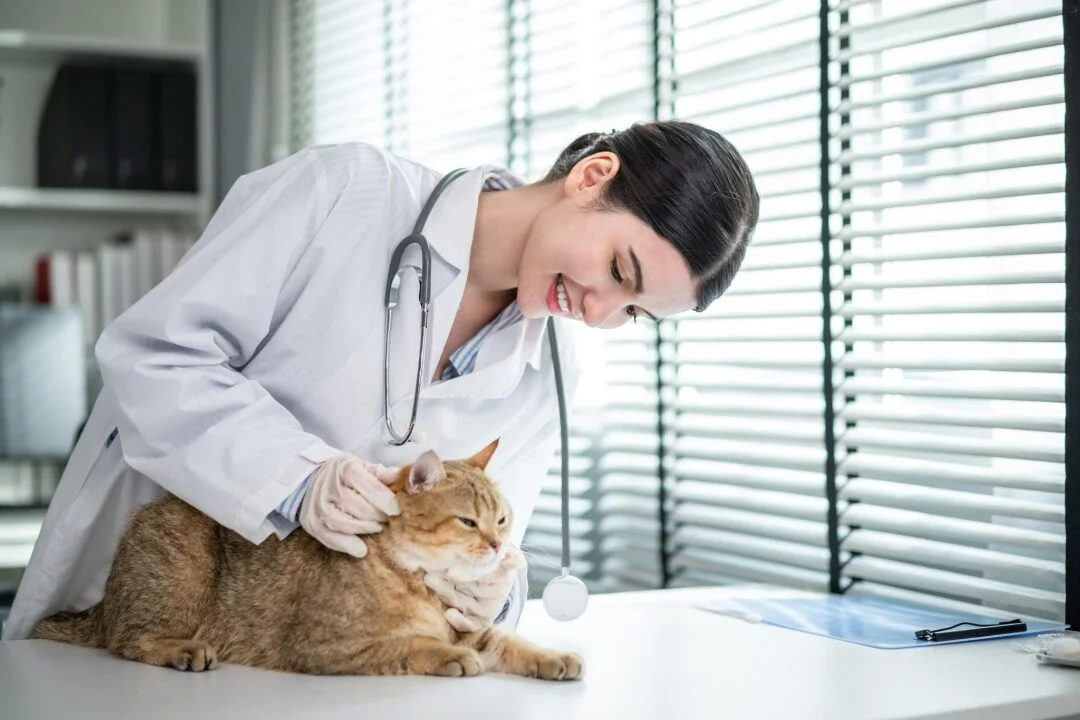
During my first visit to the veterinarian with one of my cats for a regular checkup, I thought the doctor would tell me that all was okay with my pet, since he eats normally, sleeps well and plays with his toys every day.
But then I got surprised to find out that my cat already has some dental disease which I had not noticed before, because cats usually do not show their pain.
That particular visit to the veterinarian gave me new attitude towards my cat’s health care, and now I make up a yearly list of items which will help me to be aware of all minor details regarding my pets’ condition.
Here you will see my checklist written in easy language. The checklist was prepared according to my personal experience as an attentive cat owner and veterinary advice.
Why Every Cat Owner Should Use an Annual Health Checklist.
Cats cannot express to their owners what hurts them. Cats keep on eating, playing, and sleeping even when a disease begins to develop in them.
It is the reason why many diseases are detected late than necessary. An annual health checklist is an easy tool to help you observe the signs which may go unnoticed.
Observing your cat’s appearance every month and making comparisons each year would help you see weight change, poor hygiene, dental issues, and other behaviors.
Such observations are important because they provide the veterinarian with useful information at wellness appointments.
However, the purpose is not diagnosing illnesses at home, but noticing the changes as soon as possible.
Early detection of an illness leads to fewer pains for the cat, lower costs, and higher chances of recovery.
Check Your Cat’s Body Weight and Overall Shape.

Body weight is easy to monitor but many pet owners tend to neglect this task. Normal cat should maintain constant body weight all year around.
Rapid weight gain may increase the chances of developing obesity, diabetes and joint problems. Weight loss may occur due to some serious diseases such as kidney, thyroid and digestive system disease.
I monitor my cats’ body weight every few months with the help of the same digital scale and record it in a notebook.
In addition to body weight, I pay attention to body conformation. The cat’s ribs must be easily palpated by light pressure.
Waist and muscle tone also speak about good body condition. In case you observe unexpected changes, consult your vet, don’t wait for the problem to resolve itself.
Healthy Signs. Warning Signs.
Stable weight. Rapid weight gain or loss.
Slight waist. No visible waist.
Good muscle tone. Muscle loss.
Active movement. Difficulty jumping.
Monitor Eating and Drinking Habits.
The majority of felines establish a pattern of eating and drinking. Therefore, any deviation from this pattern should not go unnoticed.
For example, one of my cats always dashes for her food dish immediately the breakfast is ready. This time, when she failed to respond to the call of food, it was a sure indication that things were different.
It emerged that the reason was a pain in her teeth, which the vet helped me treat before it worsened. You need to watch how much your pet eats, how fast meals are finished, and whether there is any difference in water consumption.
Increased thirst could mean kidney illness or diabetes, whereas lack of appetite could be associated with toothache, stomach issues, or other diseases.
Look at Your Cat’s Teeth and Gums.

Dental diseases are among the most common conditions experienced by adult cats, but owners rarely realize how serious the situation is until it gets out of hand.
Cats tend to eat normally despite having an unpleasant sensation in the mouth. Once a month, gently inspect your cat’s mouth provided that your cat allows handling.
Healthy gums appear light pink and have minimal tartar accumulation on the teeth.
Signs of bad breath, redness of gums, gum bleeding, fractures of teeth, excessive salivation, and problems with eating dry food are all symptoms that require you to take your cat to the vet for a dental examination.
Do not attempt to clean the tartar yourself, as it may cause harm to your cat’s teeth and gums.
Examine the Eyes, Ears, and Nose.
There are many things your cat’s face tells you about its general condition. Cat’s eyes need to be clear, bright, and without any secretions.
Dried up tear stains can occur when the cat wakes up from sleep, but reddened or excessively watery eyes are not acceptable.
Ears must be clean and without any smell. If your cat has dark stains in its ears, scratches itself all the time, or shakes its head persistently, then it might have either ear mites or infections.
The nose should be kept clean and dry; any secretions or persistent sneezing indicate problems.
I always check these organs every week during my petting routine.
Check Your Cat’s Skin and Coat.
Good coat is often a good indication of overall health. Almost all cats spend a lot of time every day self-grooming, therefore their coats should normally feel soft, clean and silky.
Every week I carefully stroke my cat as we play. This easy practice allows me to notice any slight changes that would be difficult to spot just by looking.
Feel if there is any dry skin, dandruff, hairless spots, fleas, crusts, lumps or any other bumps. Also, pay attention to changes in cat’s grooming habits – when she starts to stop grooming or vice versa to become obsessive about it.
Excessive grooming may occur due to allergies, stress, parasites or skin irritation.
Older cats often stop grooming because it is painful for them to bend due to arthritis. In case the coat is becoming oily, dull or unkempt for no apparent reason, make sure to contact your vet.
Watch Your Cat’s Litter Box Habits.

Cleaning the litter box daily doesn’t just leave your house clean; it also enables you to monitor your cat’s health.
The changes in their bathroom behavior can be one of the early warning signs when something is not right.
In a healthy cat, there will be no changes in their bathroom routines because they are consistent, and thus any new developments need to be monitored.
These developments include diarrhea, constipation, the presence of blood in the urine or feces, little amounts of urine, frequent visits to the litter box and avoidance of the litter box or crying while doing her business.
Once I had a cat who would go into the litter box several times without urinating, and the visit to the vet was timely enough to prevent an emergency.
Healthy Signs. Warning Signs.
Regular urination. Straining to urinate.
Well-formed stool. Diarrhea or constipation.
litter box normally. Avoids the litter box.
No discomfort. Blood in urine or stool.
Normal bathroom routine. Frequent trips with little urine.
Observe Mobility and Joint Health.
Cats are excellent climbers and leapers. Climbing and moving about freely are something that cats enjoy doing.
Arthritis and joint issues tend to decrease the mobility of cats as they age. It occurs slowly, and most owners assume that it is because their cat is being lazy.
Look at how your cat moves around, climbs stairs, leaps up to the couch, and then lands back on the floor after leaping.
These activities should always appear smooth and painless.
However, if your cat is slow when jumping, limps when walking, spends most of the day sleeping, or avoids going up into its usual climbing places, there might be an underlying problem with pain.
Pay Attention to Behavior and Mental Well-Being.
The behavior of your cat is one of the best ways to judge whether it is healthy or not. Cats have different personalities; therefore, what is important is to see the changes that occur from their usual behavior.
It is possible that your affectionate cat starts hiding under the bed or even shows aggression and stops playing with you.
These symptoms can mean that there is something wrong with your cat; stress, pain, diseases, or aging can influence its behavior.
Spend some time with your cat daily rather than just feeding it and leaving without paying attention.
Play with your cat, pay attention to its reactions, and look at the changes in sleep, self-care, or attitude towards other people around.
Keep Vaccinations and Preventive Care Up to Date.
Preventive care is one of the greatest gifts you can give to your cat.
Indoor cats need to undergo regular checkups too since there are a lot of ailments that may not be noticed at home.
When your pet goes for an annual exam, the vet inspects your cat from head to tail, auscultates the heart and lungs, examines the mouth, palpates the belly, and talks to you about any signs you’ve noticed.
Cat vaccines will help prevent serious illnesses, and your vet will decide which vaccines are necessary based on the age, lifestyle, and potential exposure to your cat.
All vaccination documents are kept in one file to be easily found when necessary.
Protect Your Cat From Parasites.
Many people think that indoor cats are exempt from parasites; however, this is not always the case.
Parasytes such as fleas, mites, worms, and others can find their way into the household through other animals, pests, guests, or even by clinging to one’s clothes and footwear.
The parasites will manifest themselves either through obvious irritation or may not reveal any symptoms until an advanced stage.
Look for fleas and flea dirt, skin irritation, or excessive grooming. In addition, look for weight loss, vomiting, diarrhea, and bloating, as they may all be associated with parasitic infections.
Do not use dog parasite medications on your cat without consulting your vet first; some of them contain compounds which are extremely harmful to cats.
Give Senior Cats Extra Attention.

With increasing age, your feline’s state of health can deteriorate faster compared to when he/she was young. According to veterinarians, a cat is considered a senior at about 10 to 11 years of age.
Even if your cat seems to be in good shape, chances are that he or she might have developed age-related issues such as arthritis, kidney disease, hypertension, hyperthyroidism, and periodontal disease.
That is the reason why I give extra care to my seniors. Instead of waiting for a change every year, I observe my senior cats weekly with regards to their weight, eating habits, drinking habits, mobility, grooming habits, and general behavior.
Seniors need veterinary wellness checkups twice annually instead of annually. Early detection usually improves the odds of having healthy years ahead.
Your Annual Cat Health Checklist.
Use this checklist once or twice each year. It also helps to review it before every wellness appointment so you can discuss any changes with your veterinarian. Keeping notes from previous years makes it easier to notice slow changes that might otherwise go unnoticed.
Health Area. Check. Notes.
Body weight is stable.
Healthy body condition.
Normal appetite.
Normal water intake.
Teeth and gums look healthy.
Eyes are bright and clear.
Ears are clean
Nose is clean
Skin and coat are healthy
Normal litter box habits
Walking and jumping normally
Normal behavior
Vaccinations reviewed
Parasite prevention up to date
Wellness exam completed
Print this checklist or keep a digital copy so you can compare your observations from one year to the next.
When to Contact a Veterinarian.
There are some signs that you must never ignore. Although small variations might just require monitoring, there are other signs that require immediate attention from your veterinarian since these signs could suggest an underlying serious condition.
If your cat has stopped eating, is drinking much more water than usual, is losing weight without trying, is vomiting frequently, has constant diarrhea, has stinky breath with swollen gums, is hiding all the time, or is becoming aggressive, you should see your veterinarian.
If your pet cat has problems walking, difficulty breathing, eye injury, or blood in urine and feces, he needs medical attention too.
If your cat is having straining to urinate but not passing any urine, then you must immediately see your vet. The urinary obstruction could lead to death very soon.
Frequently Asked Questions?
How often should I check my cat’s health?
Daily health checks will be beneficial as you automatically observe your cat while playing and feeding. Monthly checks will help you notice any change in weight, teeth, skin, fur, and movement. Go through this entire list at least once a year before your cat’s annual checkup.
Do indoor cats need annual veterinary visits?
Yes. Indoor cats can still suffer from various diseases such as dental disease, obesity, arthritis, kidney disease, diabetes, thyroid disease, among many others. Wellness visits will ensure that these conditions are detected early.
What is the easiest way to notice health changes?
Maintaining written notes proves to be extremely effective. Write down the information regarding the cat’s weight, appetite, fluid consumption, medications, vaccinations, and any abnormal behaviors. Comparing those notes will help spot the changes that happen gradually.
Can I replace veterinary visits with home health checks?
No. You can use home health checks to monitor your cat in between visits, but these do not substitute for a physical examination, tests in the laboratory, and the recommendations of a licensed veterinarian.
References and Trusted Sources.
This article is based on preventive care guidance and educational information from trusted veterinary organizations, including:
•American Veterinary Medical Association.
•American Association of Feline Practitioners.
•Cornell Feline Health Center.
•World Small Animal Veterinary Association.
Always consult a licensed veterinarian for advice about your individual cat’s health.
Conclusion.
Caring for your cat does not involve any advanced technology or medical knowledge. Rather, it involves the ability to pay close attention to things that often escape people’s notice.
Spending just a few minutes observing your pet while they are eating, drinking, walking around, grooming, or using their litter box could help detect changes in behavior that could indicate an underlying problem early on before it develops into a serious condition.
Making a health checklist once a year is another way of getting yourself acquainted with the characteristics that your cat normally has.
This practice, together with yearly veterinary wellness visits, is among the most effective measures to ensure good health for your pet in the future.
Every cat deserves preventive care, patience, and observation. The time spent monitoring your pet now may be the key to their future good health.
Author’s Note:
This article is intended for educational purposes. It supports regular home health monitoring but does not replace diagnosis or treatment from a licensed veterinarian. If you notice signs of illness or injury, arrange a veterinary examination as soon as possible.


