
The Ultimate Indoor Cat Care Routine Every Owner Should Follow.
Learn the ultimate indoor cat care routine every owner should follow. This guide covers feeding, grooming, litter box cleaning, exercise, hydration, and the best products for keeping indoor cats healthy and happy
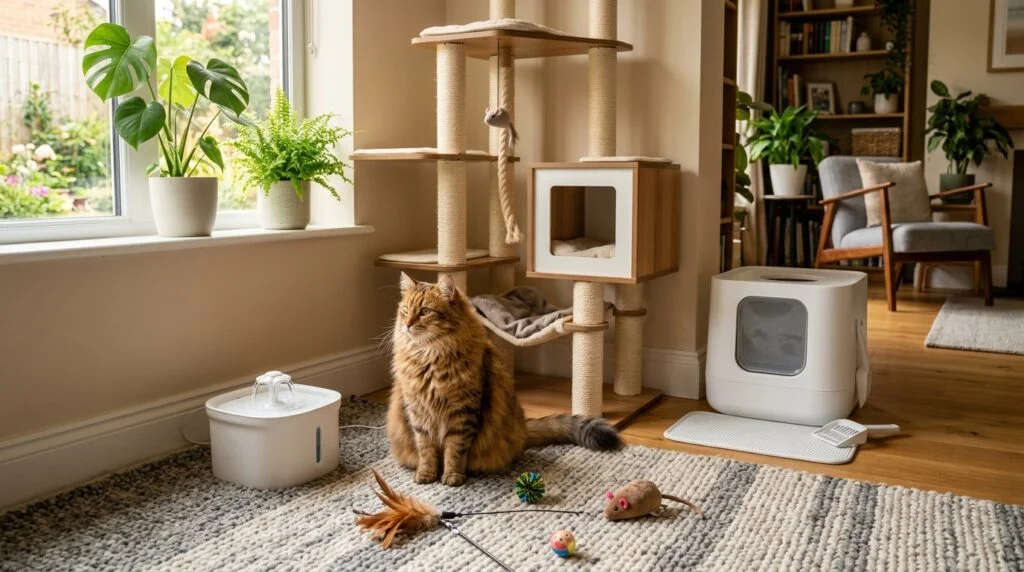
Introduction.
Indoor cat care is very important for keeping your cat healthy, active, and happy inside the home. Many cat owners think feeding and litter cleaning are enough, but proper indoor cat care includes a full routine of nutrition, grooming, exercise, hydration, and mental stimulation.
A well-planned indoor lifestyle helps prevent obesity, stress, and behavior issues in cats.
When you follow the right indoor cat care routine, your cat becomes more energetic, relaxed, and social. It also helps you notice health problems early and improve your cat’s overall quality of life.
In this guide, you will learn everything needed to build a complete indoor cat care routine that works for all types of cats.
Table of Contents.
1.Why Indoor Cat Care Matters.
2.Morning Indoor Cat Care Routine.
3.Choosing the Right Cat Food.
4.Water and Hydration Tips.
5.Best Indoor Cat Products.
6.Litter Box Cleaning Routine.
7.Indoor Exercise and Playtime.
8.Grooming and Coat Care.
9.Creating a Stress-Free Indoor Space.
10.Natural Resources for Better Cat Care.
11.Common Indoor Cat Health Problems.
12.My Personal Experience With Indoor Cats.
13.FAQs About Indoor Cat Care.
14.Conclusion.
Why Indoor Cat Care Matters.
Indoor cats stay protected from traffic, fights, parasites, and dangerous weather. Even so, indoor life may create new challenges. Some cats gain weight quickly. Others become lazy or anxious.
A healthy indoor cat routine supports:
- Better physical health
- Stable weight
- Strong mental stimulation
- Cleaner litter habits
- Lower stress levels
- Improved sleep patterns.
Cats enjoy predictability. Feeding, playtime, and cleaning schedules help them feel secure inside the home.
Morning Indoor Cat Care Routine.
A calm morning routine helps your cat stay active and relaxed throughout the day.
Feed Fresh Food.
Serve measured portions instead of free-feeding all day. Indoor cats usually need controlled calories because they move less than outdoor cats.
Choose food with:
- Real meat protein
- Limited fillers
- Taurine for heart health
- Balanced vitamins
Avoid frequent low-quality treats.
Refresh Water Bowls.
Cats prefer fresh water. Replace water every morning. Wash bowls often to prevent bacteria buildup.
Some cats drink more from fountains because moving water feels cleaner to them.
Quick Health Check.
Spend one minute checking:
- Eyes
- Nose
- Ears
- Coat condition
- Walking movement
- Appetite
Small changes sometimes signal early illness.
Choosing the Right Cat Food.
Indoor cats require nutrition that supports healthy digestion and weight control.
Dry Food.
Dry food is convenient and affordable. Look for options designed specifically for indoor cats.
Benefits include:
- Easier storage
- Crunchy texture
- Longer shelf life
Still, too much dry food may reduce hydration.
Wet Food.
Wet food contains more moisture. Many veterinarians recommend mixing wet and dry food together.
Benefits include:
- Better hydration
- Easier digestion
- Strong flavor for picky eaters
BestIndoor Cat Products.
These products help improve daily indoor cat care routines.
1. Automatic Cat Water Fountain.

A water fountain encourages hydration and keeps water circulating.
Recommended features:
- Quiet motor
- Carbon filter
- Stainless steel design
https://www.amazon.com/s?k=cat+water+fountain
2. Interactive Cat Toys.

Indoor cats need mental stimulation. Interactive toys reduce boredom and destructive behavior.
Popular choices:
- Feather wands
- Motion toys
- Puzzle feeders
- Rolling balls
https://www.amazon.com/s?k=interactive+cat+toys
3.Cat Tree for Indoor Exercise.

Cat trees allow climbing, scratching, and resting in elevated spaces.
Benefits:
- Encourages movement
- Reduces stress
- Protects furniture from scratching
https://www.amazon.com/s?k=cat+tree+for+indoor+cats
4.Odor-Control Litter Box.

A quality litter box improves cleanliness inside the home.
Look for:
- Easy cleaning
- Odor control
- Spacious size
- Dust-free design
https://www.amazon.com/s?k=odor+control+cat+litter+box
Water and Hydration Tips.
Many indoor cats do not drink enough water. Poor hydration sometimes causes urinary problems.
Ways to improve hydration:
- Place bowls in multiple rooms
- Use ceramic or stainless-steel bowls
- Add wet food regularly
- Keep water away from litter boxes
Watch for dehydration signs:
- Dry gums
- Low energy
- Reduced appetite
Litter Box Cleaning Routine.
Cats dislike dirty litter boxes. Poor litter hygiene may lead to accidents outside the box.
Daily Cleaning.
Scoop waste at least twice daily.
Weekly Cleaning.
Wash the litter box using mild soap and warm water.
Placement Tips.
Place litter boxes in:
- Quiet locations
- Low-traffic areas
- Easily accessible spaces
Avoid placing them beside food bowls.
Indoor Exercise and Playtime.
Indoor cats still have hunting instincts. Without activity, they may become overweight or frustrated.
Best Daily Activities.
Short Play Sessions.
Play for 10–15 minutes several times daily.
Climbing Areas.
Cats enjoy vertical spaces. Shelves and cat trees help them explore safely.
Window Watching.
A window perch provides entertainment and sunlight exposure.
Grooming and Coat Care.
Even short-haired indoor cats need regular grooming.
Brushing.
Brush your cat several times weekly to:
- Reduce shedding
- Prevent hairballs
- Improve coat health
Nail Trimming.
Trim nails every few weeks.
Dental Care.
Dental hygiene often gets ignored.
Helpful options:
- Cat toothbrushes
- Dental treats
- Vet dental checks
Creating a Stress-Free Indoor Space.
Cats feel safer in calm environments.
Provide Safe Hiding Areas.
Soft beds and covered spaces help nervous cats relax.
Reduce Loud Noise.
Sudden sounds sometimes increase stress.
Maintain Routine.
Cats dislike major schedule changes. Try to feed and play at consistent times.
Natural Resources for Better Cat Care.
These trusted resources provide reliable cat care information.
1. ASPCA Cat Care Guide.
The ASPCA offers helpful information about nutrition, grooming, and behavior.
https://www.aspca.org/pet-care/cat-care
2.Cornell Feline Health Center.
Cornell shares expert feline health advice from veterinarians.
https://www.vet.cornell.edu/departments-centers-and-institutes/cornell-feline-health-center
3.International Cat Care.
This resource covers behavior, stress, and indoor enrichment.
Common Indoor Cat Health Problems.
Indoor cats may still face health concerns.Obesity
Obesity.
Lack of exercise often leads to weight gain.
Hairballs.
Regular grooming reduces hairball problems.
Anxiety.
Boredom and environmental stress may affect behavior.
Urinary Issues.
Hydration plays a major role in urinary health.
Visit a veterinarian if your cat shows:
- Vomiting
- Appetite loss
- Frequent hiding
- Breathing changes
- Sudden aggression
My Personal Experience With Indoor Cats.
When I adopted my first indoor cat, I assumed food and a litter box were enough. After a few months, I noticed he slept most of the day and scratched furniture constantly. I started adding short play sessions every morning and evening. I also bought a simple cat tree near a window.
The difference appeared quickly. He became more active, calmer, and friendlier. His eating habits improved as well. One small routine change made indoor life much healthier for him.
Later, I learned that indoor cats need mental stimulation just as much as physical care. Since then, I always focus on routine, clean spaces, interactive toys, and daily attention.
FAQs About Indoor Cat Care.
How often should I play with my indoor cat?
Most indoor cats benefit from at least 20–30 minutes of play daily. Short sessions usually work better than one long session.
Can indoor cats become depressed?
Yes. Boredom and loneliness sometimes affect indoor cats. Mental stimulation helps prevent this issue.
How many litter boxes should I have?
A common rule is one litter box per cat plus one extra.
Is wet food necessary for indoor cats?
Wet food helps improve hydration. Many owners combine wet and dry food for balance.
Do indoor cats need vaccines?
Yes. Indoor cats still need regular veterinary care and vaccinations.
Why does my indoor cat scratch furniture?
Scratching is natural behavior. A scratching post or cat tree usually helps redirect it.
Conclusion.
A proper indoor cat care routine improves both physical and emotional health. Cats thrive when they have clean spaces, fresh food, regular playtime, and stable routines. Small daily habits often make the biggest difference over time.
Author.
Jibran Abbas.
Disclimar.
The products mentioned in this article are shared only to help cat owners find useful items for better indoor cat care. These recommendations are based on general research and pet care knowledge. We do not earn commissions from the links provided. Always choose products that match your cat’s specific needs and consult a veterinarian if necessary.


