
The Complete Guide to Cat Vaccinations: Schedule, Costs, and Side Effects .
Learn everything you need to know about cat vaccinations, including kitten and adult vaccine schedules, core and non-core vaccines, costs, side effects, safety tips, and expert recommendations to keep your cat healthy and protected at every stage of life.
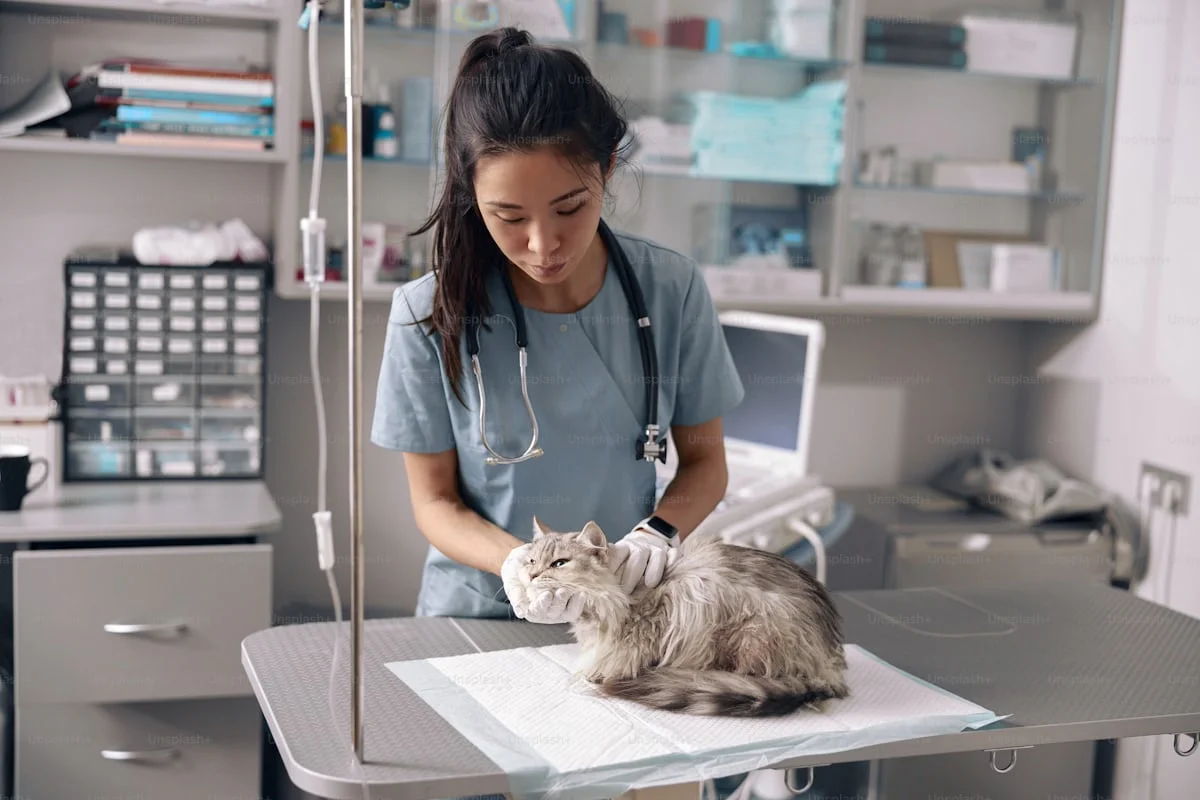
1.Introduction:Why Cat Vaccinations Matter?

Immunizations are among the most effective ways of keeping your cat healthy. Some conditions affecting cats can prove to be contagious and may actually endanger the life of your cat. Immunization will keep you free of such trouble.
Kittens have certain protections from their mothers at birth, which, however, do not last for long.
In order to build their immunity against viruses and infections, vaccines are used.
The vaccination of your cat does not only benefit the single pet, but it also aids in preventing the transmission of the disease to other cats in your locality.
Here are the main reasons cat vaccinations matter:
- Protect your cat from serious and potentially deadly diseases.
- Help prevent expensive emergency veterinary treatments.
- Reduce the risk of disease spreading to other cats.
- Keep kittens safe during their most vulnerable months.
- Support a stronger and healthier immune system.
- Required by many boarding facilities, groomers, and shelters.
- Give cat owners relax of mind knowing their pet is protected.
Imagine vaccinations to be the protective covering you give your cat. They do not promise that your cat will not fall ill, but they certainly minimize the chances of your cat becoming seriously ill.
Vaccination is one of the easiest and yet most vital things in taking care of your cat.
2.Understanding How Vaccines Protect Cats.
In essence, vaccines enable your cat’s immune system to get ready to fight any potential diseases even before they come about. Vaccines work by teaching the immune system how to deal with dangerous microorganisms.
In the case where the cat gets vaccinated, then there is exposure to either a safe form or a portion of the disease-causing organism, which will not make the cat sick, but it helps its body learn to recognize it.
The vaccine triggers the formation of antibodies and the development of immunity.
In case your kitty gets exposed to the disease in future, his immune system will be able to respond fast enough to neutralize the virus.
Consider the vaccine as a form of rehearsal. Through vaccination, the feline body has an opportunity to prepare itself from any future attacks without having to face the real threat.
Vaccines work to protect cats from:
- Teaching the immune system to recognize harmful diseases.
- Producing antibodies that help fight infections.
- Creating long-term immune memory for faster protection.
- Reducing the severity of illness if infection occurs.
- Lowering the risk of life-threatening complications.
- Helping prevent the spread of diseases between cats.
Although there is no vaccine that offers 100% immunity against disease, a vaccinated cat has a higher chance of remaining healthy even when it comes into contact with infectious agents. It is because of this reason that veterinarians regard vaccinations as very vital for cats.
3.Core vs Non-Core Cat Vaccines.

Not all vaccines for cats are alike. There are two types of feline vaccines according to veterinarians”Core and non-Core vaccines”.
It is important for people to understand the difference between these types of vaccines in order to provide proper care for their cats.
Core vaccines are recommended for most cats since they protect from such diseases that are widespread, highly contagious, and life-threatening. Non-core vaccines depend on the lifestyle of each particular cat.
What Are Core Vaccines?
Core vaccines are vital for all cats irrespective of their living conditions, whether indoor or outdoor. The core vaccines guard against illnesses that might result in serious sickness or death.
Some examples of core vaccines are:
- Feline Panleukopenia (FPV) – A highly contagious virus that can be deadly, especially in kittens.
- Feline Herpesvirus (FHV-1) – A major cause of upper respiratory infections in cats.
- Feline Calicivirus (FCV) – Another common respiratory virus that can lead to serious health problems.
- Rabies – A fatal disease that affects the nervous system and can spread to humans.
These vaccines form the foundation of a cat’s preventive healthcare plan and are recommended by veterinary experts worldwide.
What Are Non-Core Vaccines?
Non-core vaccines are not essential for every cat. They are typically recommended when a cat has a higher risk of being exposed to certain diseases based on its lifestyle or environment.
Examples of non-core vaccines include:
- Feline Leukemia Virus (FeLV) – Often recommended for kittens and cats that go outdoors or interact with other cats.
- Bordetella – May be recommended for cats that stay in shelters, catteries, or boarding facilities.
- Chlamydia felis – Sometimes used in multi-cat environments where infections are common.
Your veterinarian will evaluate your cat’s lifestyle, age, health status, and environment before recommending non-core vaccines.
Which Vaccines Does Every Cat Need?
Most cats should receive these core vaccines:
- Feline Panleukopenia (FPV)
- Feline Herpesvirus (FHV-1)
- Feline Calicivirus (FCV)
- Rabies
These types of vaccines are very effective in safeguarding your cat from some of the most deadly diseases that affect the feline population at the moment.
This means that even indoor cats can be vaccinated against diseases that can come to their environment via humans or objects.
There is no specific immunization protocol, but these vaccines have become essential in ensuring that all cats are safe.
4.Complete Kitten Vaccination Schedule (Birth to 16 Weeks).

The initial months of a kitten’s life play a crucial role in developing its immunity. Though there is a certain level of protection offered to the kitten through the mother cat’s milk, it begins to diminish over time. Vaccination helps cover this gap.
Important:Vaccination schedules can vary slightly based on your veterinarian’s recommendations, local disease risks, and your kitten’s health status.
Kitten Age. Recommended Vaccines.
Birth to 6 Weeks. No routine vaccinations
6–8 Weeks. First FVRCP vaccine
10–12 Weeks. Second FVRCP vaccine
14–16 Weeks. Final FVRCP booster
14–16 Weeks. Rabies vaccine
15–16 Weeks. FeLV vaccine (2nd dose)
Why Multiple Vaccine Doses Are Needed?
Most cat owners ask themselves why do their kittens have to be vaccinated more than once. And the answer lies in the fact that the antibodies of the mother may block the effect of the vaccine given to the kitten.
Tips for Kitten Vaccination Visits.
- Keep a record of all vaccinations.
- Bring your kitten to every scheduled booster appointment.
- Monitor for mild side effects such as sleepiness or slight soreness.
- Contact your veterinarian if you notice severe reactions.
- Ask your veterinarian whether additional vaccines are needed based on your kitten’s lifestyle.
Keeping to the suggested vaccination protocol will maximize the chances of your kitten becoming a strong and healthy adult cat. Prevention is always better and safer than cure.
5.Adult Cat Vaccination Schedule.

Adult cats need booster vaccines to keep their protection strong.
Vaccine. Booster Schedule.
FVRCP. Every 1–3 years
Rabies. Every 1–3 years
FeLV. Annually for at-risk cats
Non-Core Vaccines. Only if recommended by your veterinarian.
Key Points:
- Most cats receive their first adult booster at around 1 year of age.
- Indoor cats should still receive core vaccines.
- Outdoor cats may need additional vaccines, such as FeLV.
- Regular booster shots help prevent serious diseases and keep immunity strong.
6.Senior Cat Vaccination Considerations.
Senior cats still need protection from serious diseases, but their vaccination needs are not always the same as those of younger cats.
As cats get older, veterinarians look at their overall health, lifestyle, and risk of exposure before deciding which vaccines are needed. An active outdoor senior cat may need more protection than a cat that spends all its time indoors.
Regular checkups become especially important in the senior years because they help ensure your cat receives the right vaccines at the right time.
Keeping vaccinations up to date can help your older cat stay healthy, comfortable, and protected throughout its golden years.
7.Vaccine Schedule for Indoor Cats vs Outdoor Cats.
The way of life of a cat is a significant factor influencing the type of vaccination that is required.
While indoor cats have reduced chances of coming into contact with diseases compared to their counterparts that spend their lives outside, it is advisable to consider their vaccination program accordingly.
As indoor cats, you should administer core vaccines such as FVRCP and rabies.
There is a high possibility that infectious diseases can come into your home either via shoes or clothes as well as accidentally through interaction with diseased animals.
Administering boosters is also necessary as guided by your vet.In the case of outdoor cats, they require the administration of core vaccines, just like the indoor cats, but the latter requires additional vaccination against the feline leukemia virus (FeLV).
Due to the increased chances of interacting with other cats as well as encountering disease causing organisms, vaccination is essential in ensuring safety and good health.
A customized vaccination schedule in relation to the lifestyle of your cat is one of the most effective ways of keeping your pet healthy.
8.Rabies Vaccine Requirements and Local Laws.
- Rabies is a deadly disease that affects the brain and nervous system.
- It can spread from animals to humans through bites or scratches.
- In many countries and regions, the rabies vaccine is required by law.
- Most cats receive their first rabies vaccine at around 12–16 weeks of age.
- Booster shots are usually needed every 1 to 3 years, depending on the vaccine used.
- Even indoor cats may be required to have a rabies vaccination in some areas.
- Vaccination records should be kept up to date for travel, boarding, and licensing purposes.
- Local rabies laws can vary, so always check with your veterinarian or local authorities for current requirements.
Quick Tip:
Keeping your cat’s rabies vaccine current not only protects your pet but also helps keep your family and community safe.
9.FVRCP Vaccine Explained.

The FVRCP vaccine is one of the most vital vaccines in cats. This is because the vaccine offers protection from three major illnesses in cats which include respiratory, digestive, and other health problems. This vaccine is classified as core vaccine since it is recommended for all cats.
Diseases It Prevents.
- Feline Viral Rhinotracheitis (FVR) – A respiratory infection caused by feline herpesvirus that can lead to sneezing, eye problems, and nasal discharge.
- Feline Calicivirus (FCV) – A contagious virus that causes respiratory illness, mouth ulcers, and fever.
- Feline Panleukopenia (FPV) – A severe and potentially deadly disease that attacks the immune system and digestive tract.
Recommended Schedule.
- 6–8 Weeks: First FVRCP vaccine
- 10–12 Weeks:Second dose
- 14–16 Weeks: Final kitten booster
- Around 1 Year:First adult booster
- Every 1–3 Years: Booster shots as recommended by your veterinarian.
Keeping your cat’s FVRCP vaccinations up to date provides long-term protection against some of the most common and dangerous feline diseases.
10.Feline Leukemia (FeLV) Vaccine Explained.
The Feline Leukemia (FeLV) vaccine prevents cats from contracting the feline leukemia virus, a dangerous condition that is capable of compromising their immune systems and causing such ailments as infections, anemia, and specific cancers.
Though the vaccine will not treat FeLV once contracted, it can significantly decrease the chance of being infected.
Who Needs It?
- Kittens, as recommended by many veterinarians.
- Outdoor cats that may come into contact with other cats.
- Cats that live with FeLV-positive cats.
- Cats that frequently interact with unknown or stray cats.
- Cats in multi-cat households with a higher risk of exposure.
Benefits and Limitations:
- Helps protect against a serious and life-threatening disease.
- Reduces the risk of FeLV infection.
- Provides extra protection for cats with outdoor access.
Limitations.
- Does not provide 100% protection.
- Will not cure a cat that is already infected.
- May not be necessary for some low-risk indoor cats.
Talk with your veterinarian about your cat’s lifestyle and risk factors to decide whether the FeLV vaccine is the right choice.
11.Preparing Your Cat for a Vaccination Appointment
Some preparations can make the process of vaccinating your cat a lot less stressful for him or her.
When it is time to take your cat to the veterinary clinic, place it into a safe carrier and give yourself enough time to drive there without being in a hurry.
Prepare the information on vaccinations that your cat had before and write down all changes in its behavior or health status. Try not to stress out your cat; speak in a quiet voice and avoid making loud sounds.
12.What Happens During a Veterinary Vaccination Visit.
As a part of the vaccination process, the vet will begin with a rapid assessment of the cat’s general state of health, ensuring that the cat is fit for the vaccinations.
During the examination, the vet can look at the cat’s eyes, ears, teeth, heart and lungs, and other aspects of his overall health status.
Afterward, the vet will consider the cat’s lifestyle, age, and medical history in order to figure out which vaccinations the cat requires.
The administration of the vaccination itself will take place in the form of an injection, and most cats tolerate it well.
13.Cat Vaccination Costs.
Vaccines for cats may be costly because of where you live and from where you receive your cat’s vaccines. Although there is an initial cost for vaccines, they are not as expensive as the treatment of a disease.
Average Price by Vaccine:
Vaccine. Average Cost.
FVRCP. $20–$50 per dose
Rabies. $15–$40 per dose
FeLV (Feline Leukemia). $25–$60 per dose
Non-Core Vaccines. $20–$50 per dose
Prices are estimates and may vary by clinic and region.
Factors That Affect Cost.
- Your location and local veterinary fees.
- The type and number of vaccines needed.
- Whether a health examination is included.
- Your cat’s age, health, and vaccination history.
- Emergency, mobile, or specialty veterinary services.
Ways to Reduce Vaccination Expenses.
- Visit low-cost vaccination clinics in your area.
- Ask about vaccine packages or wellness plans.
- Keep up with booster schedules to avoid restarting vaccine series.
- Check local animal shelters and community vaccination events.
- Compare prices from different veterinary clinics before booking.
Keeping your cat’s vaccines up to date is one of the most affordable ways to protect them from serious and costly diseases.
14.Common Vaccine Side Effects.

Cats rarely suffer any issues when they are vaccinated. In the event side effects arise, they are not serious and tend to subside on their own within two days. This is just an indication that the cat’s immune system is working normally.
Mild Reactions:
- Slight tiredness or sleeping more than usual.
- Mild soreness at the injection site.
- Reduced appetite for a short time.
- Low feverLess activity than normal for a day or two.
When Side Effects Are Normal.
Temporary side effects are not really cause for concern provided that they are temporary, and your cat is able to drink water and relax without any problems.
Normally, most cats will recover in 24 to 48 hours. If, however, the side effects worsen and last for more than a couple of days, then you should consult your vet immediately.
15.Serious Vaccine Reactions and Warning Signs.
Vaccines in cats can sometimes cause adverse reactions, but knowing about their symptoms will be helpful. Even though most cats show mild symptoms after taking vaccines, a serious reaction should be immediately attended to.
Warning Signs to Watch For:
- Difficulty breathing or rapid breathing
- Swelling of the face, eyes, or muzzle
- Severe vomiting or diarrhea
- Extreme weakness or collapse
- Pale gums
- Persistent high fever
- Hives or severe itching
- Seizures or unusual behavior
Should you experience any of the above-mentioned side effects following vaccination, it is advisable that you seek the immediate attention of your veterinarian or an animal clinic.
Timely action will make all the difference when it comes to the recovery of your cat. Vaccination is generally safe in cats and carries more advantages than risks.
16.What to Do if Your Cat Has a Vaccine Reaction.
When your cat experiences a vaccine reaction, it is important that you remain calm and pay close attention to their symptoms.
Mild vaccine reactions include tiredness, decreased appetite, and tenderness where the vaccine was administered, and these are common and should resolve themselves after one or two days.
In case your cat is having problems breathing, swelling around their face, excessive vomiting, diarrhea, great weakness, and collapse, call your veterinarian or take them to an animal hospital right away.
Do not medicate your cat unless you have been instructed to do so by your veterinarian.
Informing your veterinarian of any past vaccine reactions can also be beneficial in determining which vaccine program would be best for your cat in the future.
17.Vaccine Safety: Benefits vs Risks.
One of the safest methods of ensuring the health of cats and preventing their diseases is vaccination.
However, like all medications, vaccines can provoke adverse effects. In turn, the diseases, which vaccination prevents, often entail very serious consequences and pose a serious threat to a cat’s health and life.
The main advantage of vaccines is the ability to protect animals from dangerous diseases, including rabies, panleukopenia, respiratory illnesses, etc.
Vaccination not only helps to avoid these diseases but also minimizes the spread of infection between animals and allows the owners to save money for treating them.
There is always a risk of side effects; however, severe complications after vaccination are extremely rare and affect only a tiny number of cats.
Usually, the only thing that cats may have after vaccination is fatigue and a little bit of discomfort that passes within 24 hours.
18.Vaccination Myths and Facts.
There are many myths about cat vaccines, but knowing the facts can help you make better decisions for your pet’s health.
Myth.
1.Indoor cats do not need vaccines.
2.Vaccines can give my cat the disease.
3.One vaccination lasts forever.
4.Healthy cats do not need vaccines.
5.Vaccines are more dangerous than the diseases they prevent.
6.Older cats do not need vaccinations.
Facts.
1.Indoor cats can still be exposed to diseases and should receive core vaccines.
2.Vaccines are designed to safely train the immune system and do not cause the disease they protect against.
3.Most vaccines require booster shots to maintain protection.
4.Even healthy cats can become infected if they are exposed to a disease.
5.Serious vaccine reactions are rare, while many vaccine-preventable diseases can be severe or fatal.
6.Senior cats may still need vaccines based on their health and lifestyle.
Understanding the facts about vaccination helps ensure your cat receives the protection it needs throughout every stage of life.
19.Special Vaccination Situations .
All cats do not have the same vaccination requirements. There are some cats that require more attention and need to be vaccinated individually according to their history, health, or age.
Rescue Cats.
Often, rescue cats have no information regarding vaccinations or very little at all. The vet may suggest that you start a new vaccination program to protect your cat from all possible diseases.
Stray Cats.
For stray cats, being exposed to contagious illnesses is likely to be more common due to interactions with other animals and the outdoors. It is crucial to conduct a thorough health assessment and administer proper immunizations when they first come under your care.
Pregnant Cats.
Pregnant cats should be vaccinated only under the supervision of a vet. Some vaccines might not be advised, so it is better to consult a vet about the right types of vaccines for your pregnant cat.
Cats With Medical Conditions.
In case of cats that have chronic diseases or an immune system that is compromised, it would be best to create a tailor-made program for vaccinations.
This decision has to be made by your veterinarian after balancing the advantages and disadvantages of such a course of action.In these unique cases, it will be very important to collaborate with your vet.
20.How to Keep Accurate Vaccination Records.
Organization of the vaccination record will help you keep track of vaccinations and prove your pet’s vaccination when required.
Every time after visiting the vet, store the certificates for vaccines, noting in your record the name of the vaccine and the date of administration.
These documents should be stored in a secure location; you may keep the record in a folder or digital file where you can access it whenever you need.
You may set up alerts to remind yourself about boosters, so you will never skip an appointment. The correct record is very handy for veterinary appointments, traveling, boarding, grooming, and emergencies.
21.Questions to Ask Your Veterinarian Before Vaccinating.
Before getting your cat vaccinated, it is wise to consider asking some questions to gain an understanding of what you should be looking for. It will enable you to make an informed decision regarding your cat’s health.
- Which vaccines does my cat need and why?
- Are any non-core vaccines recommended for my cat’s lifestyle?
- How often will booster shots be needed?
- What side effects should I watch for after vaccination?
- Are there any health conditions that could affect vaccination?
- Is my cat due for any other preventive care services?
- What should I do if my cat has a reaction to a vaccine?
- Can you provide an updated vaccination record after the visit?
Asking these questions can help you feel confident about your cat’s vaccination plan and ensure your pet receives the best possible care.
22.Expert Recommendations for Long-Term Cat Health.
Having your cat lead a healthy life well into the future involves much more than vaccinations.
There are many things that veterinarians say you need to do in order to ensure that your cat has long and happy life.
This includes taking your cat to a veterinarian regularly, making sure that your cat’s vaccines are up-to-date, giving it balanced food according to its age and condition, and making sure it gets fresh water, stays at an appropriate weight and plays every day.
Grooming, dental hygiene, and parasiticide treatment are also part of being healthy.
23.Trusted Resources.
Vaccination recommendations may change over time. For the most current feline vaccination guidelines, visit the American Association of Feline Practitioners (AAFP)https://catvets.com and consult your veterinarian for advice tailored to your cat’s needs.
24.(FAQ)Frequently Asked questions.
1.Do indoor cats really need vaccinations?
Yes. Even indoor cats may have the opportunity to get sick from open doors, guests, new pets or contaminated items that enter the house. Core vaccinations are still vital for their protection.
2. Are cat vaccines safe?
Yes. Vaccines for cats tend to be quite safe. The side effects that do occur are usually mild ones, such as being tired or feeling sore, and tend to disappear after one or two days.
3. What happens if my cat misses a vaccine booster?
In the event that you miss any boosters, your cat will not be fully immune from certain diseases. You should contact your vet, as he can tell you whether your cat requires a booster vaccination.
25.Key Takeaways: Building the Right Vaccination Plan for Your Cat.
The best vaccination plan is one that matches your cat’s age, health, and lifestyle. Kittens need a series of vaccines to build strong immunity, while adult and senior cats need booster shots to stay protected.
Core vaccines are important for nearly all cats, and some cats may benefit from additional vaccines based on their risk of exposure.
Regular veterinary checkups help ensure your cat receives the right vaccines at the right time.
By staying up to date with vaccinations and keeping accurate health records, you can give your cat the best chance of living a long, healthy, and happy life.
26.Final thoughts.

Getting your kitty vaccinated is one of the easiest ways of ensuring that he stays safe from various dangerous diseases.
No matter whether your cat is a lively young one, or an energetic adult cat, or even an old one, by keeping his vaccinations up-to-date, you will ensure that he lives a longer life.
Each cat is special in its own way, and so, you must discuss with your vet about the right vaccinations for your kitty.


One Comment