

Introduction.

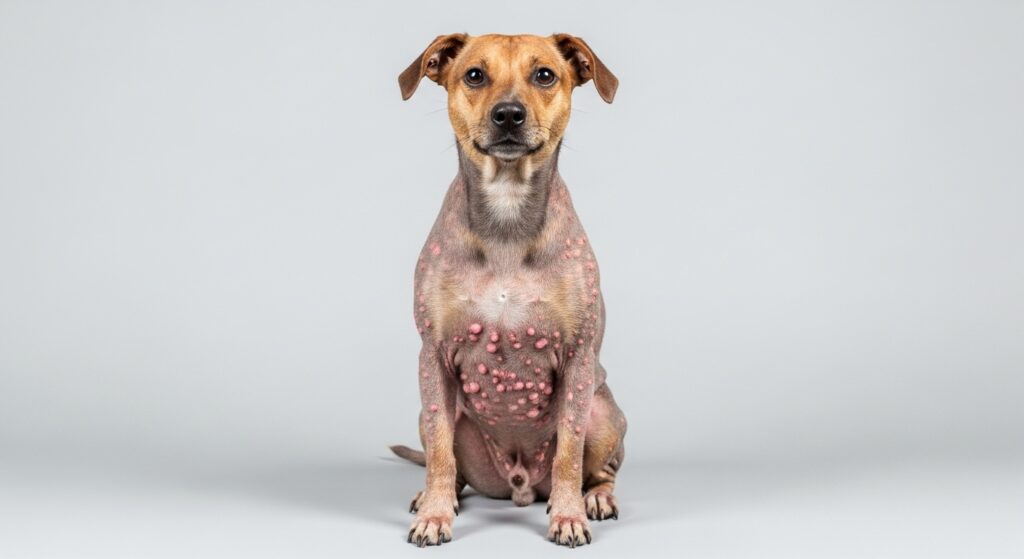
Dog mange treatment is essential for keeping your pet healthy and free from skin infections. Mange is a common condition caused by mites that can lead to itching, hair loss, and discomfort.
It is not only limited to being a skin condition; it poses various threats for the dog’s well-being, health, and appearance. Most dog owners overlook the signs of dog mange at an early stage, considering it simply a result of scratching.
What is Mange in Dogs?
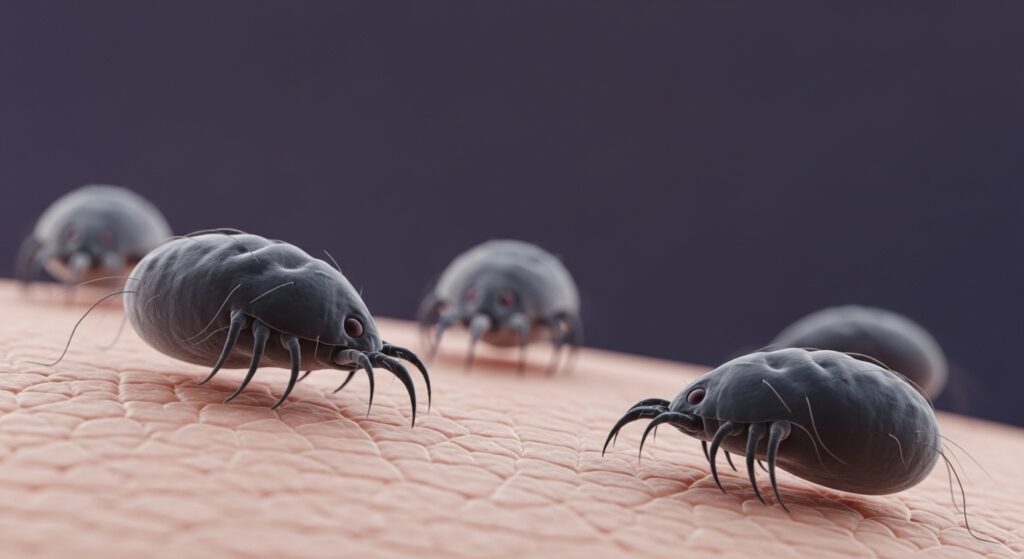
Mange is a skin disorder caused by microscopic parasites called mites. These mites live on the dog’s skin and feed on oils or burrow into the skin.Sometimes, dogs already have mites naturally, but problems begin when their immune system becomes weak. A weak immune system can also be caused by poor diet.
learn how healthy homemade dog food for dogs can improve overall health.
http://Dog Mange: Symptoms, Causes,Treatment & Prevention Guide.
Types of Mange and Their Treatment.
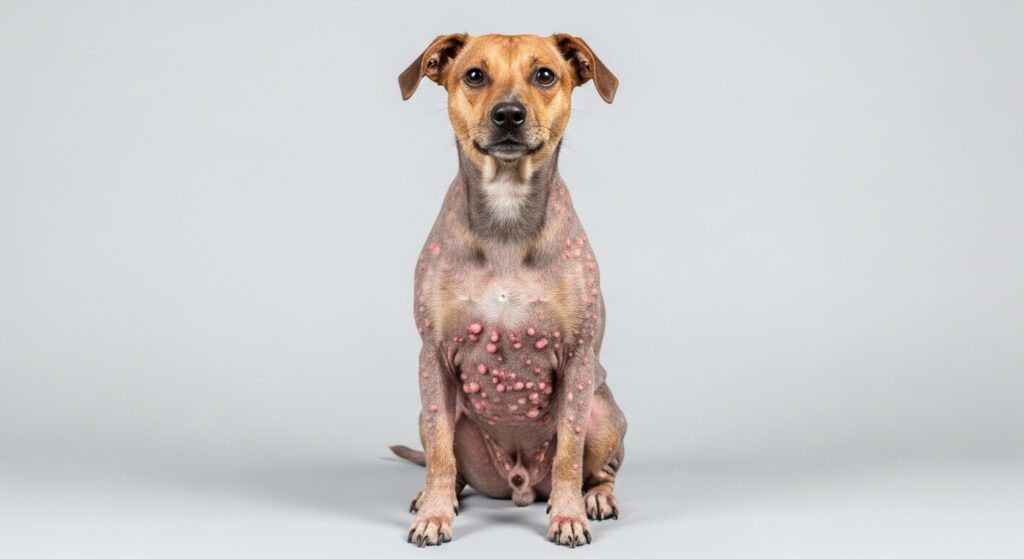
Instead of just naming them, let’s understand how they behave:
1. Sarcoptic Mange (Highly Irrating Type).
Sarcoptic mange is a highly contagious skin disease in dogs caused by microscopic mites called Sarcoptes scabies. These mites burrow into the skin and cause intense itching, irritation, and hair loss. It can spread quickly between dogs and even affect humans temporarily.
2. Demodectic Mange (Immune-Related Type).
This type is more about the dog’s internal health.
•Not contagious
•Mostly affects puppies or weak dogs
• Starts in small patches but can expand.
Early Warning Signs Most Owners Miss.
Most individuals tend to realize their dog has mange due to fur loss, but this occurs at later stages.
Symptoms include the following:
• Constant rubbing on walls or any object in the room.
• Scratching excessively at nighttime.
• Red spots or bumps.
• Dry and flaky skin.
Symptoms That Need Dog Mange Treatment.
If ignored, the condition becomes visible and painful.
•Bald patches (especially on face, legs, ears)
•Thick, crusty skin
•Bleeding from excessive scratching
•Darkened or hardened skin
•Bad smell due to infection
At this stage, treatment becomes more difficult and longer.
Causes of Mange in Dogs.
Mange is not just about mites—it’s often a combination of problems.
1. Weak Immune System
Healthy dogs can control mites naturally. Weak dogs cannot.
2. Poor Diet
Low-quality food = weak skin defense.
3. Stress
Stress lowers immunity and triggers outbreaks.
4. Contact with Infected Animals
Especially in:
•Streets
•Shelters
•Grooming centers
5. Dirty Living Conditions
Unclean bedding helps parasites survive longer.
6. Genetic Weakness
Some breeds are naturally more sensitive.
How Mange Spreads?
Not all mange spreads the same way:
Sarcoptic mange
→ spreads through contact and shared items.
Demodectic mange
→usually develops internally (not spread).
Puppies can get mites from their mother early in life.
How Vets Confirm Mange?
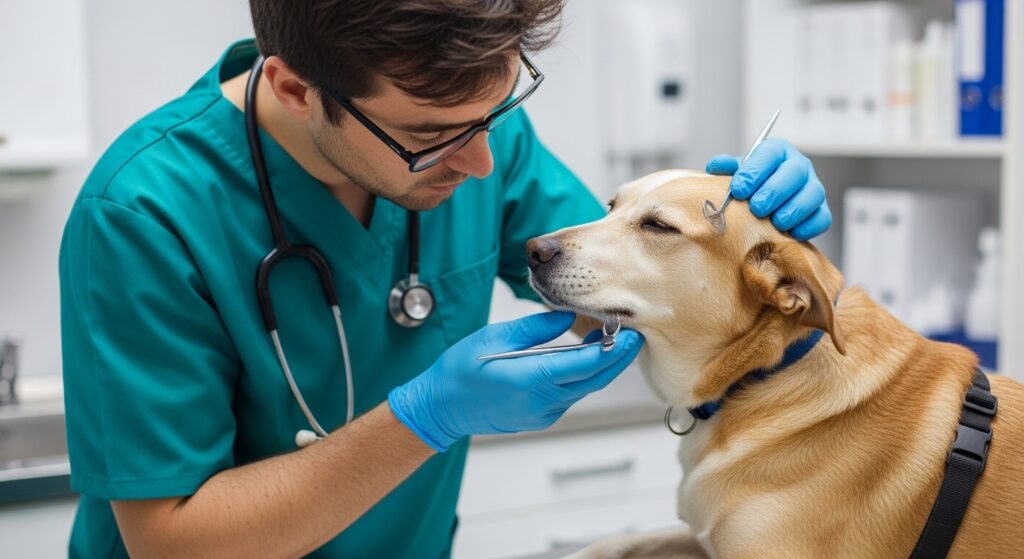
You cannot confirm mange just by looking.
A vet may:
•Take a small skin sample.
•Check under a microscope.
•Examine affected areas closely.
This helps identify the exact type and severity.
Best Treatment Options (What Actually Works)

Treatment depends on severity, not just type.
1.Medical Treatment.
•Anti-mite medications (oral or topical).
•Injections in severe cases.
•Antibiotics if infection is present.
2.Medicated Baths.
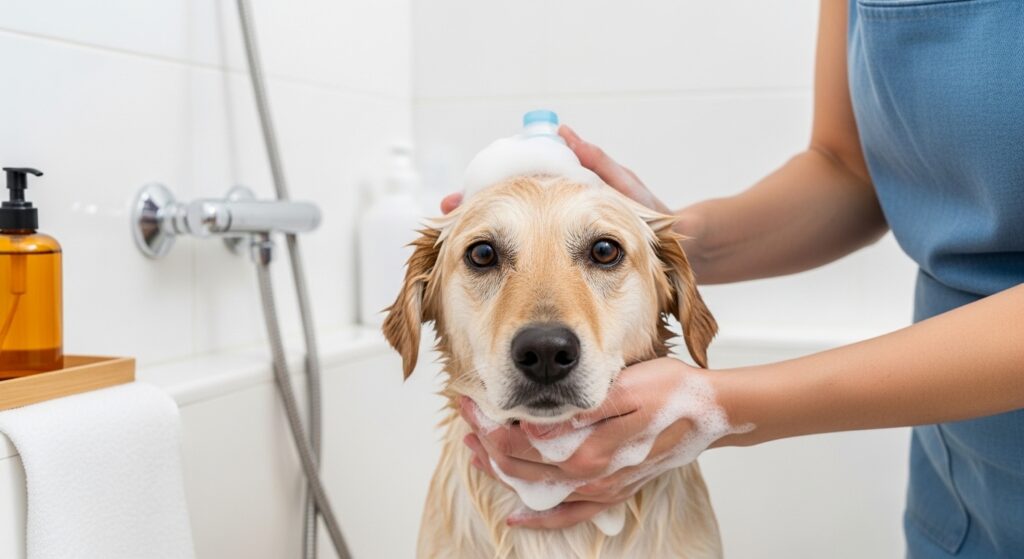
Special shampoos:
•Kill mites
•Reduce itching.
•Clean infected skin.
Consistency is important—one wash is not enough.
4.Skin Support Care.
•Soothing creams.
•Anti-itch solutions.
•Healing ointments.
5.Environment Cleaning.
Many people skip this step—but it’s critical.
Clean:
•Dog bed.
•Blankets.
•Toys.
•Floors.
Otherwise, mites can come back.
Natural Dog Mange Treatment at Home.
Home care supports recovery but should not replace treatment.
Do this:
•Keep your dog clean and dry.
•Feed high-quality, nutritious food.
•Reduce stress (calm environment).
•Prevent excessive scratching (use collar if needed).
Avoid random home remedies—they can worsen the condition.
How to Prevent Mange (Smart Prevention Plan).

Prevention is easier and cheaper than treatment.
✔ Build Strong Immunity.
Good food = strong defense
✔ Maintain Hygiene
Regular cleaning reduces parasite survival
✔ Avoid Risky Contact
Keep your dog away from infected animals
✔ Regular Checkups
Early detection saves time and money
Poor nutrition can weaken your dog’s immune system.
Learn how to improve your dog’s health with homemade dog food for strong immunity
http://Best Dog Diet Plan&Healthy Homemade Food for Strong Health.
Is Mange Dangerous?
Yes, if ignored.
Possible risks:
•Deep skin infections.
•Continuous pain and irritation.
•Weakness due to stress and poor health.
But with proper care, most dogs recover fully.
Can Humans Get Mange?
Only the contagious type (sarcoptic) can affect humans temporarily.
•Causes mild itching.
•Does not stay long.
•Easily treatable.
Demodectic mange does not affect humans.
Recovery Timeline?
•Mild cases: 2–3 weeks.
•Moderate cases: 4–6 weeks.
•Severe cases: 2–3 months.
Consistency in treatment is the key factor.
Common Mistakes Dog Owners Make.
Avoid these:
❌ Waiting too long
❌ Using only home remedies
❌ Stopping treatment early
❌ Ignoring hygiene
❌ Not improving diet
These mistakes delay healing.
🧠 My Research-Based Experience with Dog Mange.
During my research on dog skin diseases, I noticed that mange is often misunderstood by many pet owners.
In several case studies and discussions, early symptoms like mild itching and small skin irritation were frequently ignored.
This delay usually allowed the condition to worsen, making treatment longer and more difficult.
🔍 Practical Observation from Study & Analysis.
While analyzing different real-life cases and veterinary discussions, one common pattern appeared: dogs with weaker immune systems were more likely to develop severe mange.
It was also observed that nutrition plays a major role. Dogs receiving balanced diets showed faster recovery compared to those on poor-quality food.
📊 What I Learned from Deep Research.
One interesting insight from my research is that mange is not always just a “skin problem.”
In many situations, it reflects internal health issues such as stress, poor hygiene, or lack of proper care.
Treating only the skin without improving overall health often leads to recurring infections.
⚠️Important Realization
Another key finding was that many owners rely too much on home remedies found online.
From what I studied, this approach rarely solves the problem completely.
In fact, improper treatment can delay recovery and sometimes worsen the condition.
Final Thoughts on Dog Mange treatment.

Dog mange may look scary, but it is treatable if handled correctly.
The most important things are:
•Early action
•Proper treatment
•Clean environment
•Strong nutrition
If your dog shows signs like itching or hair loss, don’t ignore it.
You can also check our guide http://dog skin problems and treatment for more details.
Disclaimer.
This article is for informational purposes only and does not replace professional veterinary advice. Always consult a qualified veterinarian for any health concerns regarding your puppy.
About the Author.
Jibran Abbas is a passionate pet care writer who shares helpful and easy guides for new dog owners. His goal is to provide simple, practical, and reliable information to improve pet health and care.